Waiheke Organic Wineries: Certified Visits, Italian Small Group Tour

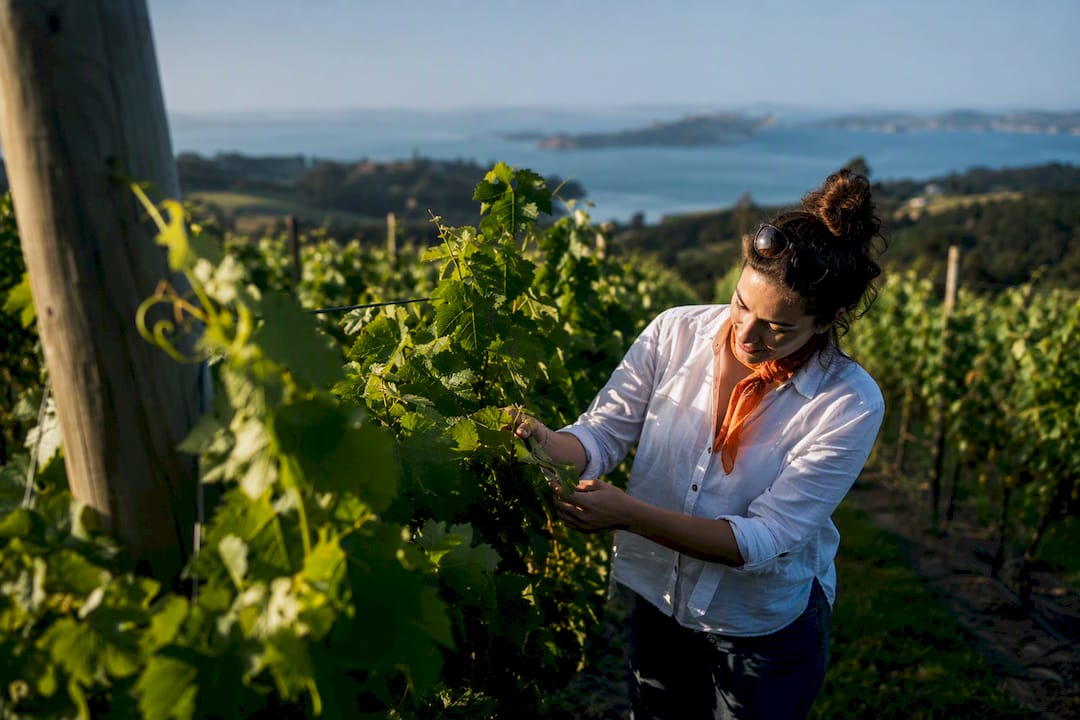
Yes, Waiheke has genuine organic wineries, and two lead the pack: Kennedy Point Vineyard, a certified organic producer, and Awaroa Organic Winery, a small-batch operation with seasonal hours. Both welcome visitors, but neither runs like a big commercial cellar door. Check opening hours before you drive or ferry out, book your tasting slot ahead of time, and if you’d rather skip the logistics entirely, a curated small-group tour gets you into these boutique vineyards without the guesswork.
TL;DR:
Kennedy Point Vineyard is the only Waiheke winery with official BioGro organic certification, and Awaroa Organic Winery is organically farmed but not always certified.
Booking tastings in advance is essential, as small organic vineyards limit guest numbers and may close unexpectedly for seasonal or private events.
Typical tasting prices start around $20 for three wines plus olive oil, but rates can vary by producer and should be confirmed when booking.
Small-group tours offer a curated, intimate experience with winemakers and local food, ideal for deep engagement and seamless logistics.
Self-guided visits work better if you want more flexibility, variety, and are comfortable managing transportation and reservations independently.
Table of Contents
Which Waiheke wineries actually grow organic wine?
“Organic” gets thrown around loosely in wine marketing, so it helps to know which Waiheke producers back it with certification and which are simply sustainable-minded. Two names matter most if you want the real thing.
Kennedy Point Vineyard holds BioGro organic certification, New Zealand’s recognized organic standard, and has farmed that way since establishing the vineyard in 1996. The winery focuses on Syrah and runs cellar-door tastings alongside on-site accommodation, so you can turn a visit into an overnight stay rather than a quick stop. Its certification is publicly listed with the Waiheke Wine Growers Association, which is worth checking if you want to confirm organic status before you book anything.
Awaroa Organic Winery operates on a smaller scale still. It’s a genuinely small-batch producer that runs portfolio tastings rather than a standard three-pour flight, meaning you taste across several vintages and varieties with commentary from whoever’s pouring that day. A professional tasting write-up from Cameron Douglas, MS backs up what regulars already know: the attention to detail here punches above the winery’s size. Awaroa also closes for winter most years, so its calendar looks nothing like a year-round tourist operation.
Beyond these two, you’ll hear Waiheke wineries described as “sustainable” or “low-intervention” without formal certification behind the label. That’s not necessarily a knock. Some smaller family operations farm carefully but haven’t gone through the BioGro process, either by choice or cost. Bigger destination wineries like Mudbrick draw crowds for their views and dining rooms, and they’re worth a visit in their own right, but they’re not marketed as certified organic in the way Kennedy Point and Awaroa are. If certification matters to you, ask directly. If you just want a smaller, more personal pour, look for family-run cellar doors regardless of paperwork.
Here’s the quick shortlist if you’re prioritizing your day:
Kennedy Point Vineyard: certified organic, Syrah-focused, tastings plus accommodation on site.
Awaroa Organic Winery: small-batch organic, portfolio tastings, seasonal winter closures.
Non-certified boutique producers: worth visiting for intimacy, but confirm practices before assuming “organic.”
How do you plan and book an organic winery visit on Waiheke?
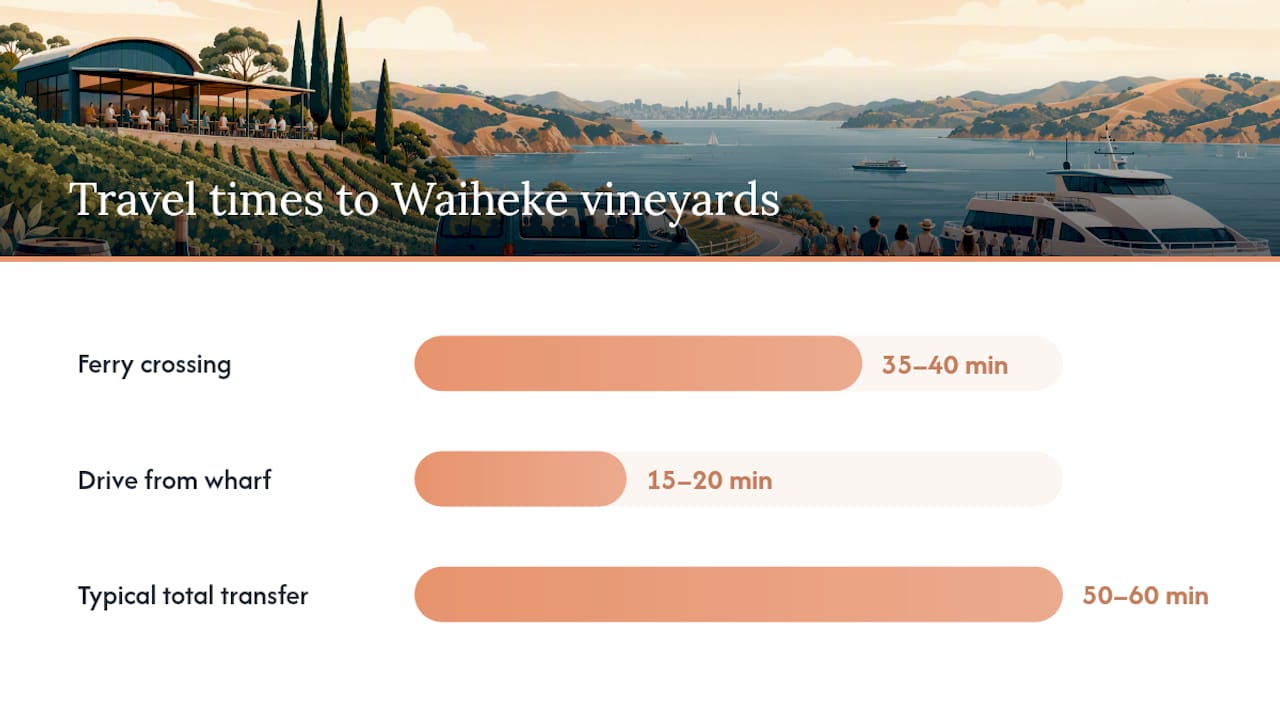
Getting to Waiheke starts with the ferry to Matiatia, the main arrival point from downtown Auckland. From there you’re looking at a taxi, a local shuttle, or one of the hop-on hop-off wine bus services to reach the vineyards, since most organic producers sit inland or along the island’s quieter roads, away from walking distance of the wharf. Build in transfer time. A 35 to 40 minute ferry crossing followed by a 15 to 20-minute drive is normal, and traffic around peak weekend hours can stretch that.
Reserve your tasting slot before you leave home. Small organic vineyards limit how many guests they pour for at once, partly because they’re running lean teams and partly because the whole point is a slower, more personal visit. Turning up unannounced at Awaroa or Kennedy Point on a Saturday afternoon is a gamble you don’t need to take.
On pricing, one listing cites Kennedy Point tastings at $20 for three wines plus olive oil, which gives you a rough sense of what a casual flight costs. Treat that as illustrative rather than fixed. Menus and prices shift, so confirm current rates when you book.
A few practical steps to lock in your day:
Check each winery’s official site for current hours before finalizing plans, since small organic vineyards adjust their calendar more often than big commercial estates.
Book tastings in advance, either directly through the winery or through a guided wine tour booking if you’d rather have someone else handle logistics.
Confirm seasonal closures. Awaroa has historically shut down during the winter months, typically reopening in early spring.
Pack sun protection, comfortable shoes for uneven vineyard ground, and ID, since some cellar doors ask for it before pouring.
Pro Tip: Call ahead rather than relying only on a website calendar. Small organic teams sometimes close for a private event or harvest work without updating their page in real time.
What actually happens at an organic wine tasting?
Organic tastings on Waiheke look and feel different from a big commercial pour. Expect smaller quantities, more conversation, and a much closer look at how the wine actually gets made.
At Kennedy Point and Awaroa, you’re often talking directly with the winemaker or a family member rather than a rotating hospitality staffer, and that conversation tends to cover things a standard tasting sheet never mentions.
Farming practices: hand-harvesting, biodiversity planting between rows, and decisions about native yeast versus commercial yeast strains.
Tasting formats: short three-wine flights at the casual end, portfolio tastings that move across several vintages at the more serious end.
Food pairings: olive oil tastings and grazing platters built from produce grown right on the property, a common pairing style at organic vineyard visits.
Coastal influence: sea spray off the Hauraki Gulf lends a subtle salinity to some Waiheke reds and whites, a maritime characteristic taster often pick up without realizing why it’s there.
The educational value here is the real draw. A travel writer’s roundup of Waiheke wineries makes the case that smaller, family-owned vineyards deliver more intimate and genuinely informative visits than the island’s larger tourist-oriented estates, and that holds especially true for organic producers where the farming story is the whole point of the visit.
Why a small-group tour changes the organic tasting experience
Visiting Kennedy Point or Awaroa on your own works fine if you’re comfortable managing transport, timing, and reservations solo. But there’s a real difference between arriving as a walk-in and arriving as part of a small, curated group where the introductions and context are already handled.
Small-group tours capped at six guests offer intimacy that fosters conversations with winemakers rather than losing them in a crowd, making them an excellent example of how to plan wine tasting tours for a smooth and enjoyable experience. Pairing that experience with dining stops and a knowledgeable guide who selects boutique vineyards can turn a scattered day of separate bookings into one connected story about the island.
Guests describe leaving with more than tasting notes: a sense of having actually met the people behind the wine, shared a meal that reflected the land they’d just walked through, and heard local history they wouldn’t have found on a winery’s own website.
How should you behave at an organic wine tasting?
Organic tastings tend to be quieter and more conversational than a busy commercial cellar door, and the etiquette shifts slightly to match.
Ask questions, but let the winemaker or host finish their point before jumping in. Many organic producers on Waiheke run tiny teams, sometimes just a family member pouring and talking you through the vintage, so a tasting can turn into a genuine back-and-forth if you show real curiosity about the farming rather than just the flavor notes.
Skip the perfume and strong cologne. It sounds minor, but in a small tasting room with three or four other guests, a heavy scent interferes with everyone’s ability to smell the wine, and that matters even more at organic producers where subtle terroir differences are often the whole point of the tasting.
Spit if you’re doing several flights across a full day, especially on a hot Waiheke afternoon with sun exposure between stops. No host will think less of you for using the spit bucket, and it keeps you sharp enough to actually absorb what you’re being told about the farming.
Buy a bottle if you loved what you tasted, even if it’s not the most expensive one on the list. Small organic producers run on tighter margins than the big estates, and a purchase after a generous, unhurried tasting is the simplest way to support the operation directly.
Finally, be upfront about time constraints at the start rather than cutting a conversation short halfway through. Hosts at small wineries often plan their pacing around how many groups they’re expecting that day.
Where should you eat and walk after your winery visits?
Waiheke rewards pairing a winery visit with something on foot. Several coastal walking tracks sit close enough to the wine region that you can turn a tasting afternoon into a full day outdoors, and the island’s gentle terrain makes most routes manageable without serious hiking gear.
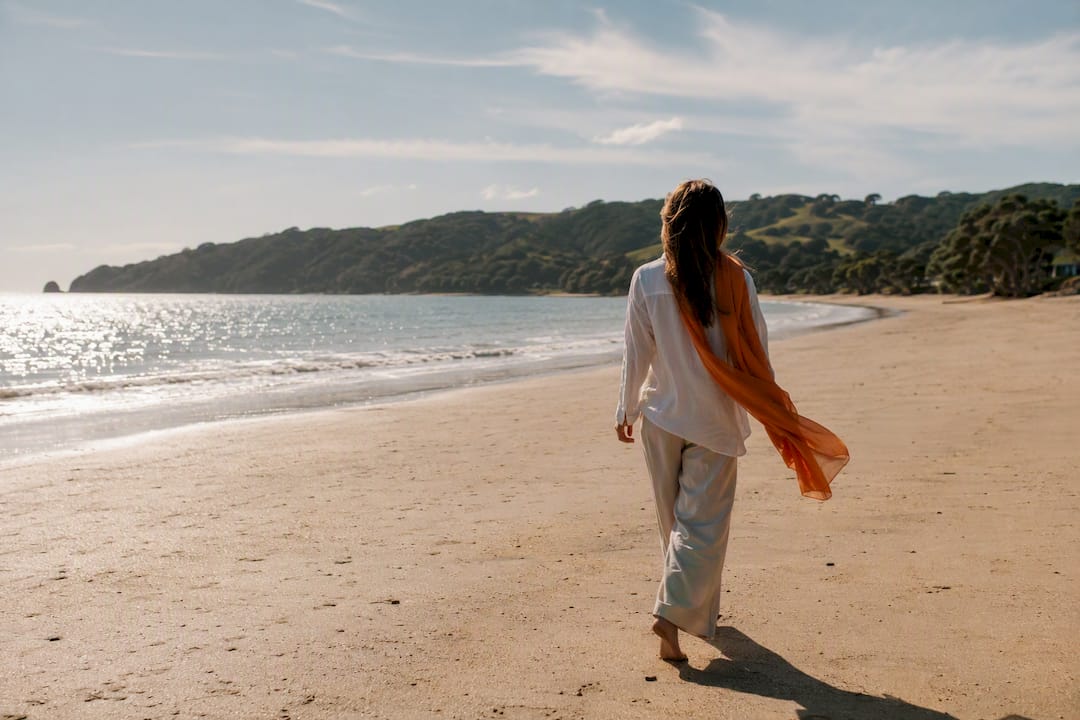
Onetangi Beach offers a long stretch of sand worth a slow walk if you’re staying near the island’s northern side, particularly after a heavier tasting lunch when you want fresh air rather than another sit-down meal. Closer to Oneroa, several short coastal tracks connect village cafés to lookout points over the Hauraki Gulf, giving you a scenic break between vineyard stops without adding significant driving time.
On the food side, Waiheke’s restaurant scene leans into the same local, seasonal produce that shows up in vineyard grazing platters, so a dinner booking after your tastings tends to feel like a continuation of the day rather than a separate outing. Village restaurants around Oneroa and Ostend get busy on weekends, so a reservation matters just as much there as it does for the wineries themselves.
If you’re trying to sequence a full day, mornings at a certified organic vineyard, a midday coastal walk, and an evening restaurant booking makes for a rhythm that doesn’t feel rushed. Building that sequence yourself takes some planning, which is exactly where a structured day trip itinerary or a guided tour earns its keep.
Should you book a group tour or a private tasting?
Group tours and private tastings solve different problems, and the right call depends on what you actually want out of the day.
A shared small-group tour, the kind capped at six guests, works well if you want structure without losing intimacy. You get a set itinerary across a couple of boutique organic vineyards, transport handled for you, and enough group size to keep costs reasonable while still allowing real conversation with the winemaker rather than a rehearsed spiel.
Private tastings, arranged directly with a winery or as a custom add-on to a tour, suit visitors celebrating something specific or those who want total control over pacing and topics. You’ll usually pay more per person for that flexibility, and at genuinely small organic producers like Awaroa, private slots can be harder to secure simply because their pouring capacity is limited on any given day.
For most first-time visitors chasing organic vineyards specifically, a small-group option strikes the better balance. It gives you access to producers you might not book confidently on your own, keeps the day moving without rigid formality, and still delivers the kind of direct winemaker conversation that a large commercial tour bus visit never will.
Luca’s take: self-guided or guided, and when each wins
If you want deep conversation with a winemaker and zero logistics to manage, book a guided small-group tour. That’s where organic vineyards like Kennedy Point and Awaroa actually shine, since the whole appeal is intimacy, not volume.
Self-guided visits make more sense if you’re chasing variety, want a big restaurant-style lunch mid-day, or you’re staying on Waiheke long enough that a rental car and a loose plan cost you nothing. Theitalianonwaiheke exists for the traveler who wants the organic story told well, in a small group, without the spreadsheet of bookings behind it.
— Luca
Book a small-group organic wine tour on Waiheke
A small-group tour service offers an alternative to piecing together your own winery itinerary. Instead of calling three vineyards, checking three sets of hours, and arranging your own transport between them, you book one small-group tour, capped at six guests, and the boutique vineyard visits, dining, and transport are already sorted.
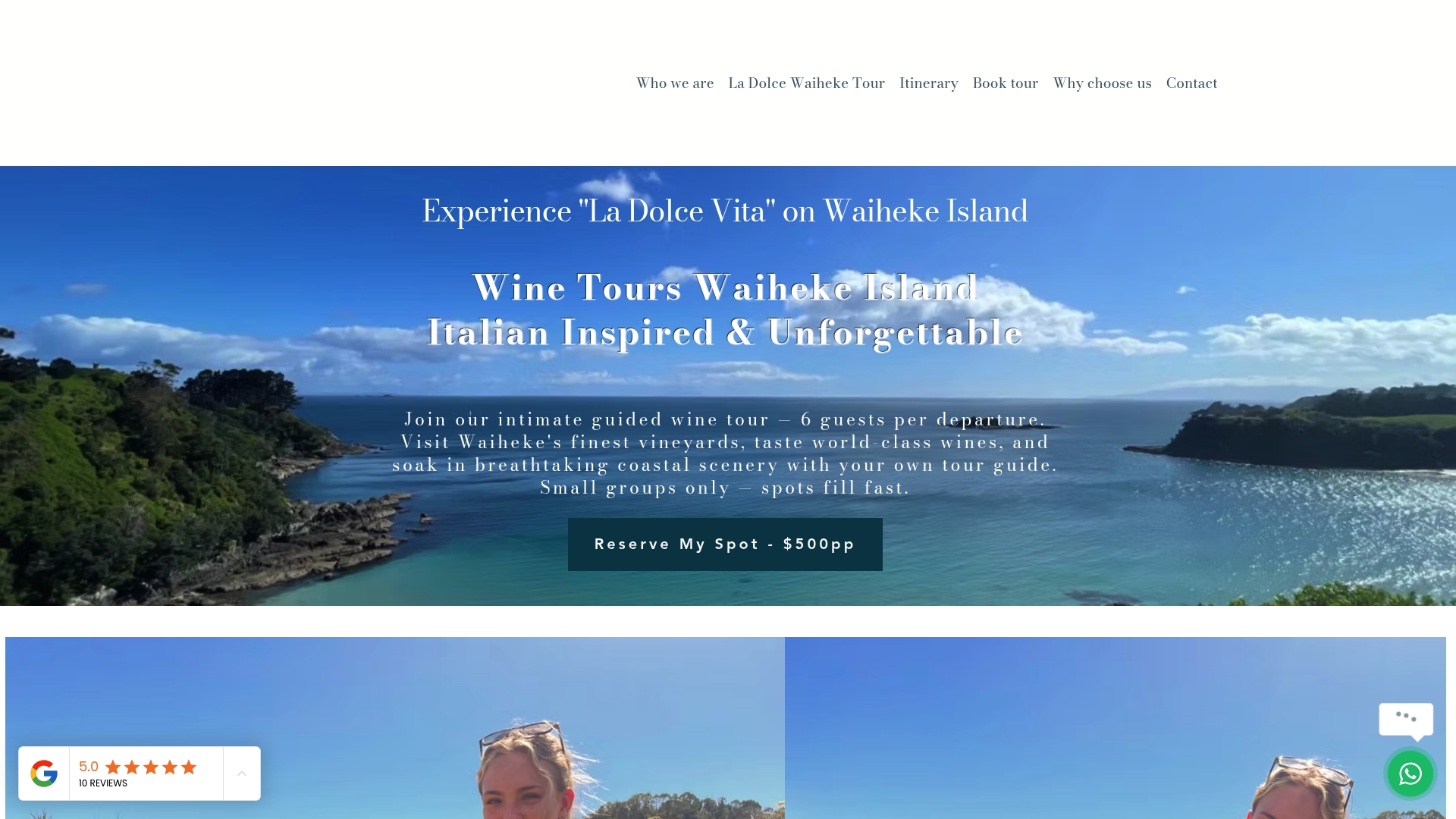
Every tour is built around curated stops at boutique and organic-leaning vineyards, paired with local food that reflects what’s growing on the same land you’re tasting through. Guests get a guide who knows the winemakers personally, which matters at small organic producers where a warm introduction opens doors a cold walk-in booking simply doesn’t. For special occasions, you can also add a private chef experience at your accommodation, extending the day’s storytelling into dinner. Details on what a full day looks like are on the wine tour booking page, and if you’d rather skip the reading and just secure your date, head straight to Book Now or Book Online to check availability for your dates on Waiheke.
Sources
FAQ
Are there certified organic wineries on Waiheke Island?
Yes. Kennedy Point Vineyard holds BioGro organic certification, and Awaroa Organic Winery also farms organically, though certification details are best confirmed directly with each producer before your visit.
Do I need to book Waiheke organic wine tastings in advance?
Reservations are strongly recommended since small organic producers limit guest numbers, and turning up unannounced risks finding the tasting room already full or closed for the day.
How much does an organic wine tasting cost on Waiheke?
One tasting example cites $20 for three wines and olive oil at Kennedy Point, though prices vary and are worth confirming when you book.
Is Awaroa Organic Winery open all year?
No. Awaroa has historically closed through July and August, reopening the first Saturday in September, so checking current hours before traveling matters.
Is a guided tour better than visiting organic wineries myself?
A guided small-group tour suits visitors who want intimate access, winemaker conversation, and zero logistics, while self-guided visits suit those prioritizing flexibility and a larger variety of stops in one day.
Recommended
Comments