Skip Awkward Tipping: NZ$10–50 for Waiheke and New Zealand Wine Tours

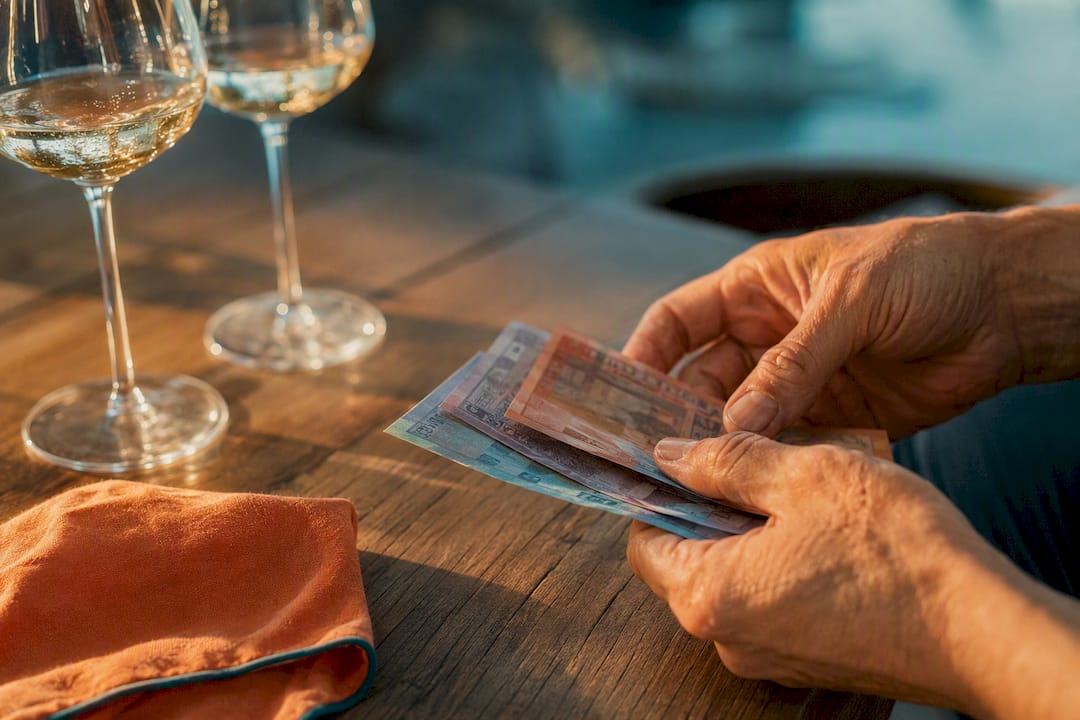
Tipping is not expected on New Zealand wine tours, and you will not offend your guide, driver, or cellar door host by paying only the listed price. Small tips are welcome when service goes beyond the ordinary, especially on private or multi-day tours where you build a closer rapport with your guide. Keep a little cash in New Zealand dollars on hand just in case, but treat it as a bonus, not a bill.
TL;DR:
Tips are not expected on New Zealand wine tours, and paying only the listed price is generally sufficient.
Small tips are appropriate if service exceeds ordinary expectations, especially on private or multi-day tours with personalized attention.
Most guides, drivers, and cellar staff do not rely on tips, and extra gratuities are a genuine bonus rather than an obligation.
Carry small New Zealand dollar notes and check if gratuities can be added to the card to avoid awkward payment moments.
Always verify whether gratuities are already included in your tour price to prevent unnecessary tipping.
Table of Contents
Tipping Wine Tours New Zealand: The Cheat Sheet
Before you head out to the vineyards, it helps to know roughly what other travelers do. New Zealand doesn’t run on the same tipping math as the United States, so bringing American habits into a Waiheke cellar door will leave you over-tipping for no reason.
Here’s a quick reference for wine tour gratuity across the situations you’ll actually run into:
Day tour guide: a modest tip for genuinely great service, according to MoaTrek’s tipping guidance.
Private guide or multi-day tour: a higher tip amount depending on group size and how personalized the service was.
Driver or transfer: rounding up the fare or offering a small tip if they assist with luggage or provide extra help.
Cellar door staff: a small tip or none at all is standard; buying a bottle is a more natural way to say thanks.
Restaurants during the tour: 5% to 10% only if the service was outstanding, not as a baseline expectation.
Give more when someone goes out of their way. A private guide who reroutes the day around your preferences, hauls your bags into the van, or spends an extra hour walking you through a vineyard has earned more than the guide reciting the same script to a bus of 20 people. And if your booking confirmation already says “gratuities included,” treat any extra tipping as optional generosity, not an obligation you missed.
When Tipping Actually Makes Sense on a Wine Tour
Wine tour tipping etiquette in New Zealand isn’t one-size-fits-all. It shifts depending on the format of the tour and who you’re dealing with. Here’s how to read each situation:
Group day tours. Nobody expects a tip here. If your guide was sharp, funny, and clearly loved the job, a discretionary NZ$10 to NZ$20 is a nice gesture, but skipping it entirely is completely normal.
Private tours and multi-day guides. This is where tipping shows up more often. Smaller groups mean more one-on-one attention, and travelers tend to tip NZ$20 to NZ$50 or more per day when the guide delivered something memorable.
Drivers and transfers. Round up the fare or leave NZ$5 to NZ$10 if they helped with bags or handled an awkward pickup without complaint. Anything more is unnecessary for a standard transfer.
Cellar door staff and restaurant servers. These follow ordinary hospitality norms, meaning a small tip or none at all unless the service was exceptional. Buying an extra bottle or leaving a strong online review does more for a winery’s staff than a few coins in a jar.
Tours advertising “gratuities included.” Confirm this at booking, then relax. You’ve already covered it. Only tip beyond that if someone did something extra that felt personal.
The pattern across all five: the more personal and tailored the service, the more a small tip fits. Bus-sized commercial tours sit at one end of that spectrum. Small-group, private experiences sit at the other.
How to Actually Tip: Cash, Cards, and Group Logistics
Once you’ve decided to tip, the mechanics matter more than people expect. Carry small NZD notes and coins for on-the-spot moments. Most cellar doors take cards, but fishing around for correct change or asking a vineyard to process a $10 card tip creates an awkward pause nobody needs.
A few practical notes:
Check whether the operator or restaurant can add a tip directly to the card payment. Many can, but smaller boutique vendors sometimes can’t process it that way.
For groups, decide in advance whether one person collects cash for a single envelope to the guide, or whether everyone tips individually. Sorting this out before the tour avoids the awkward “does anyone have a twenty” moment at the end.
Tipping directly to a guide or driver means the money reaches them immediately. Gratuities added through a booking site or operator may get pooled or distributed differently, so ask if you want certainty about where it lands.
If you’re not carrying cash and can’t add a tip to the card payment, a genuine thank-you note or a detailed, positive online review is a real alternative. Operators read reviews closely, and a specific mention of a guide by name often matters more to their reputation than a small cash tip ever would.
Pro Tip: Pack a handful of $5 and $10 notes before your tour, separate from your main wallet. It’s a small habit that saves you from scrambling for cash at the exact moment you want to reward someone for a great day.
Why Tipping Works Differently Here Than at Home
Tipping isn’t woven into everyday Kiwi culture the way it is in North America. Wages for guides, drivers, and hospitality staff aren’t structured around tips making up a shortfall, so nobody is counting on that extra cash to get by. That’s the core reason Discover NZ’s official guidance states plainly that tipping isn’t expected, even though small tips are appreciated for excellent service.
Skipping a tip in New Zealand doesn’t read as rude. It reads as normal. Local sentiment backs this up too. Threads on r/newzealand consistently report that drivers and guides don’t expect anything extra, and that the price you’re quoted is the full price, tax included.
One thing worth watching: some operators quietly add a “service charge” that functions like a mandatory tip dressed up as discretionary. Check your receipt and your tour’s inclusions list carefully. If you want to reward great service without cash changing hands, a specific, glowing review or a small gift does the job just as well.
How a Small Waiheke Operator Handles Gratuities
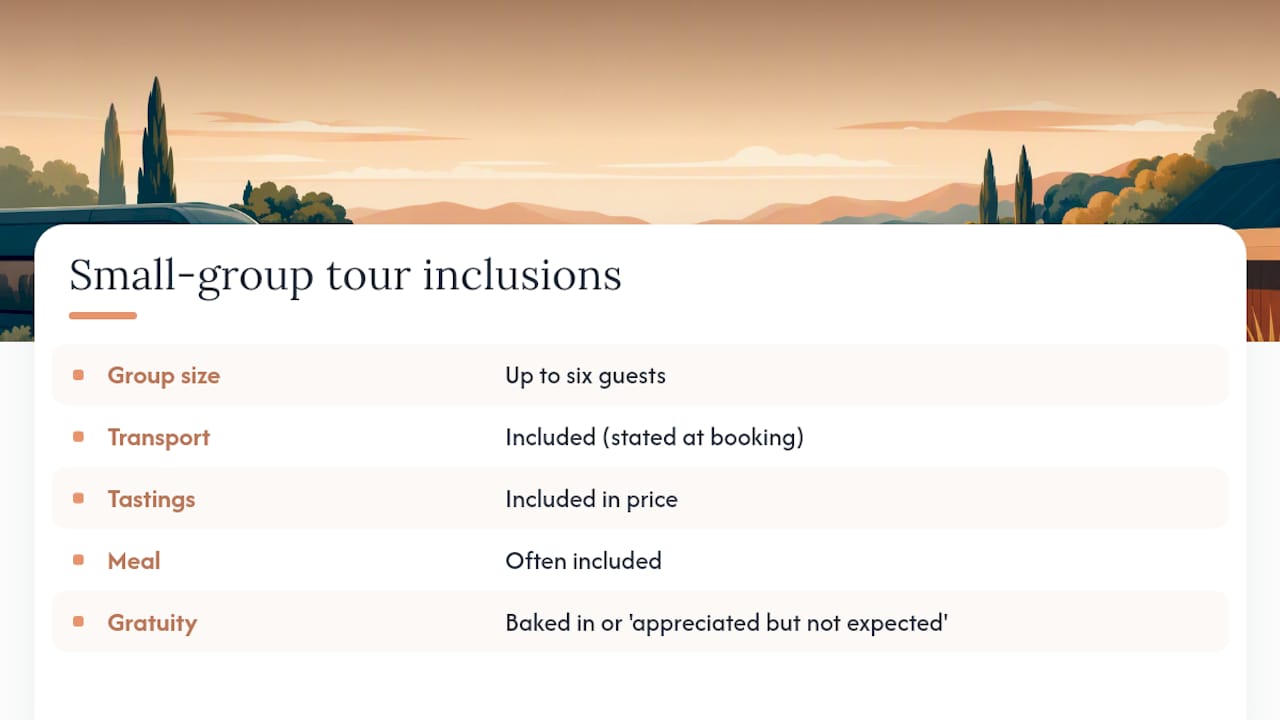
Boutique, small-group tours change the tipping equation because you’re not one face in a crowd of 20. Operators running groups of up to six guests tend to spell out inclusions clearly at booking, transport, tastings, and often a meal, so there’s no guessing about what your ticket price already covers.
That clarity is the point. When a tour clearly states what’s included in the price, whether gratuities are baked in or simply “appreciated but not expected,” you can walk into the day without doing math in your head between tastings. Discovering Waiheke’s luxury wine experiences shows how a personal, small-group format naturally builds rapport between guests and their guide, which is often when a discretionary tip feels earned rather than obligatory. Genuine connection tends to produce genuine generosity, not the other way around.
Skip the Guesswork, Not the Generosity
Most tipping advice for travelers treats every country the same, as if New Zealand and the United States share a hospitality wage structure. They don’t, and that single fact should reshape how you plan your budget for a wine tour here. The conventional advice to “tip 15 to 20 percent everywhere, just to be safe” isn’t just unnecessary in New Zealand, it actively misreads the culture.
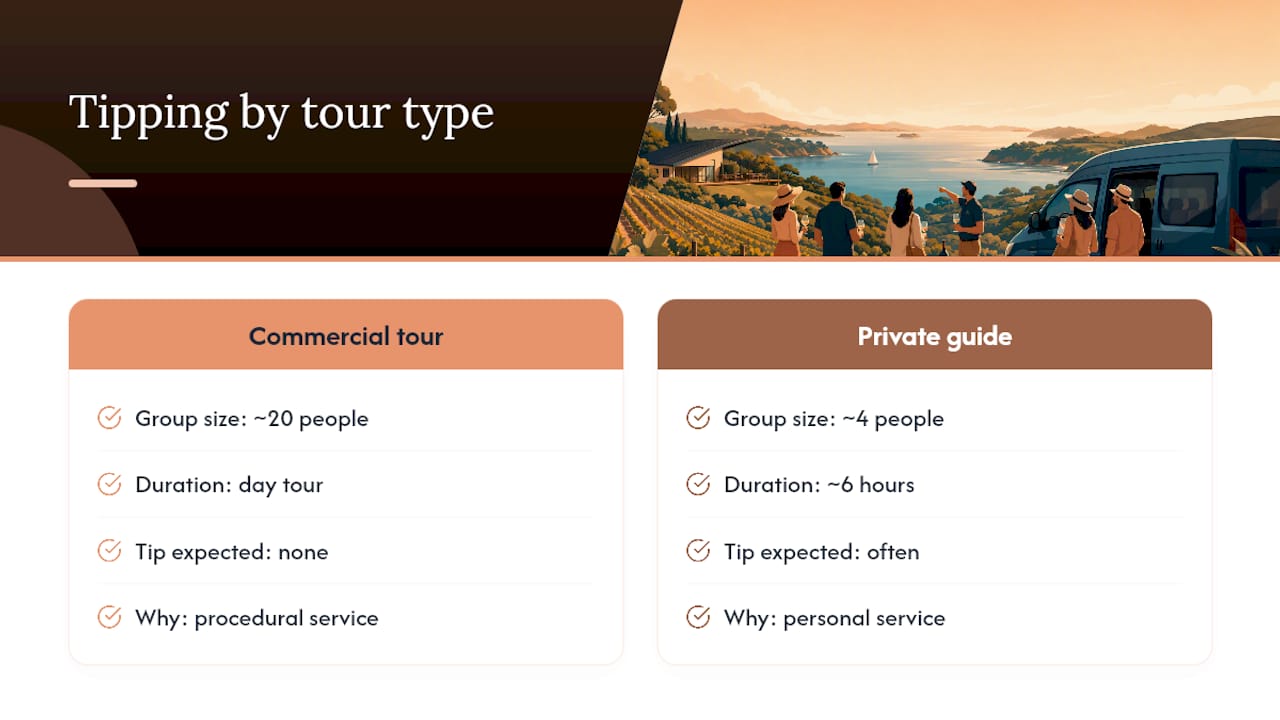
What the evidence actually supports is simpler: pay attention to format, not habit. A commercial day tour with 20 people on a bus operates nothing like a private guide who spends six hours with your group of four. The first needs no tip at all. The second often earns one, because the service is personal, not procedural.
If there’s one thing worth prioritizing, it’s reading your tour’s inclusions before you show up. Confirm whether gratuities are already covered, and if they’re not, decide in advance how much extra care and attention would be worth to you. That removes the awkward on-the-spot math and lets you actually enjoy the wine.
— Luca
Want an All-Inclusive Wine Day With No Tipping Math?
If figuring out who to tip and how much sounds like more math than you want on your holiday, book a tour with practical tipping phrases and examples where the pricing already answers that question by following Exact Euros & Phrases for U.S. Travelers Tipping Tour Guides in Italy. Some local operators run small groups of guests through boutique vineyard visits, gourmet dining, and luxury transport, with everything spelled out before you arrive. The La Dolce Waiheke Tour runs $350 NZD per person, the Michelin Star Waiheke Experience is $650 NZD per person for a more elevated culinary pairing, and a fully Private Tour is available at $500 NZD per person for groups who want the day built entirely around them.
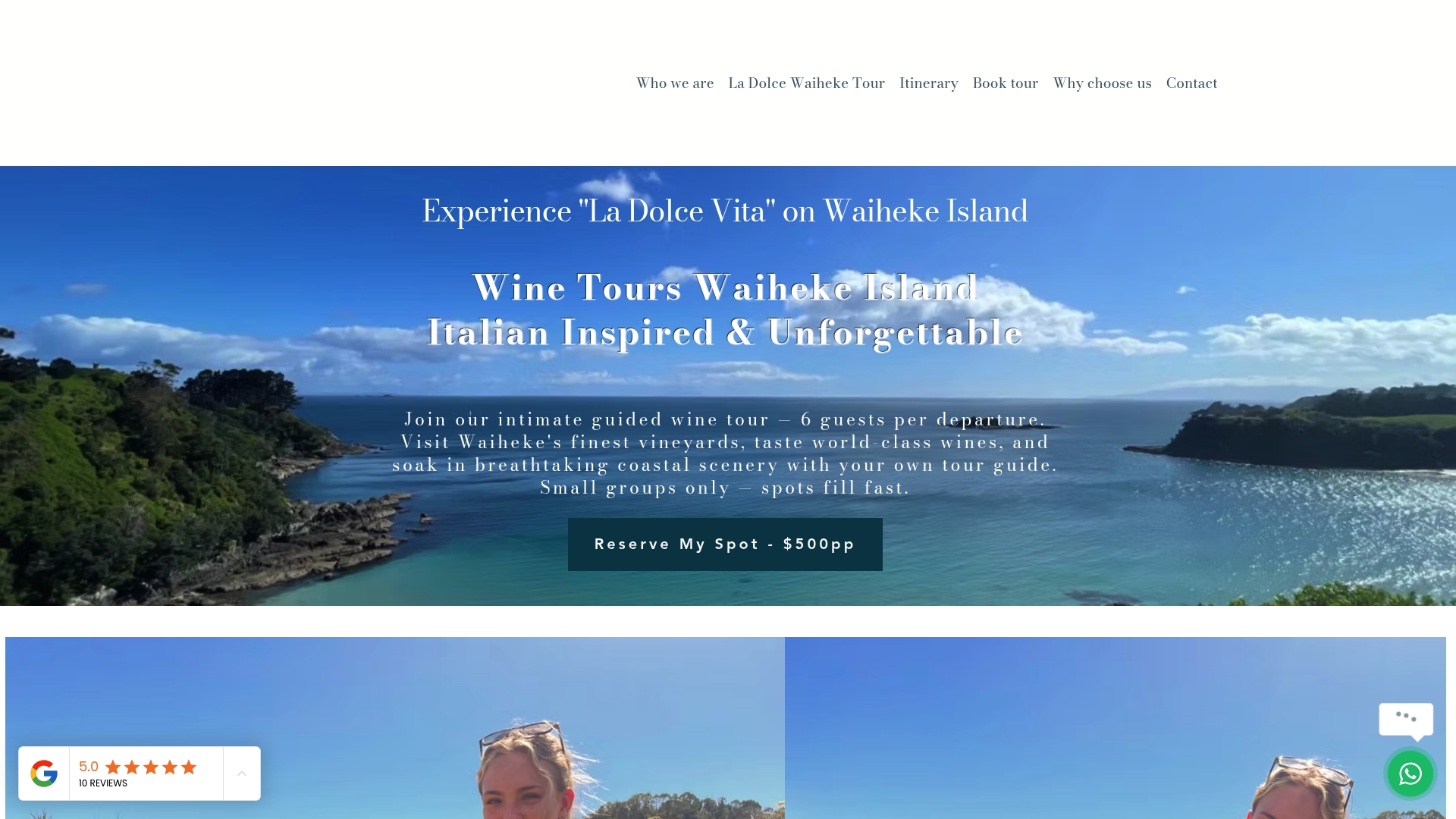
Because the group stays small and the day is personal from the first pour, you’ll know exactly what’s included and whether any extra thanks feels warranted, no guessing, no envelope math in the van. Check dates and book your tour directly, or browse the full lineup of experiences on the Theitalianonwaiheke site before you decide.
Sources
Discover NZ’s tipping guidance offers the clearest official baseline for what to expect nationwide. MoaTrek’s tipping breakdown gives practical day-tour figures. The r/newzealand thread on tipping reflects real local sentiment, and Odyssey NZ’s Hawke’s Bay wine tours show how listed inclusions reduce tipping ambiguity in practice.
FAQ
Is It Common to Tip in New Zealand?
No, tipping is not common practice across New Zealand, including on wine tours. Discover NZ confirms it isn’t expected, though small tips are welcomed for standout service on private or multi-day experiences.
Do Kiwis Tip When Paying With a Card?
Rarely. Since tipping isn’t built into local hospitality wages, most New Zealanders simply pay the listed price on their card without adding anything extra, and staff don’t anticipate it.
Is It Rude Not to Tip on a Wine Tour?
Not at all. Skipping a tip is the norm rather than the exception, and guides, drivers, and cellar door staff won’t read it as a slight. A tip becomes a genuine bonus for exceptional service, not a baseline courtesy.
What Should I Be Careful of on New Zealand Wine Tours?
Watch for mandatory “service charges” listed separately from your tour price, since these sometimes function like hidden tips rather than truly discretionary add-ons. It’s also worth confirming whether gratuities are already included, which operators like Theitalianonwaiheke spell out clearly at booking.
How Much Should I Tip a Private Wine Tour Guide?
For private or multi-day guides, NZ$20 to NZ$50 or more per day is a reasonable range depending on group size and how personalized the day felt, according to MoaTrek’s guidance. Group day tours warrant far less, typically NZ$10 to NZ$20 only for standout service.
Recommended
Comments