
Guaranteed Quiet on Waiheke: 5 Low Traffic Wineries and 6 Guest Tours

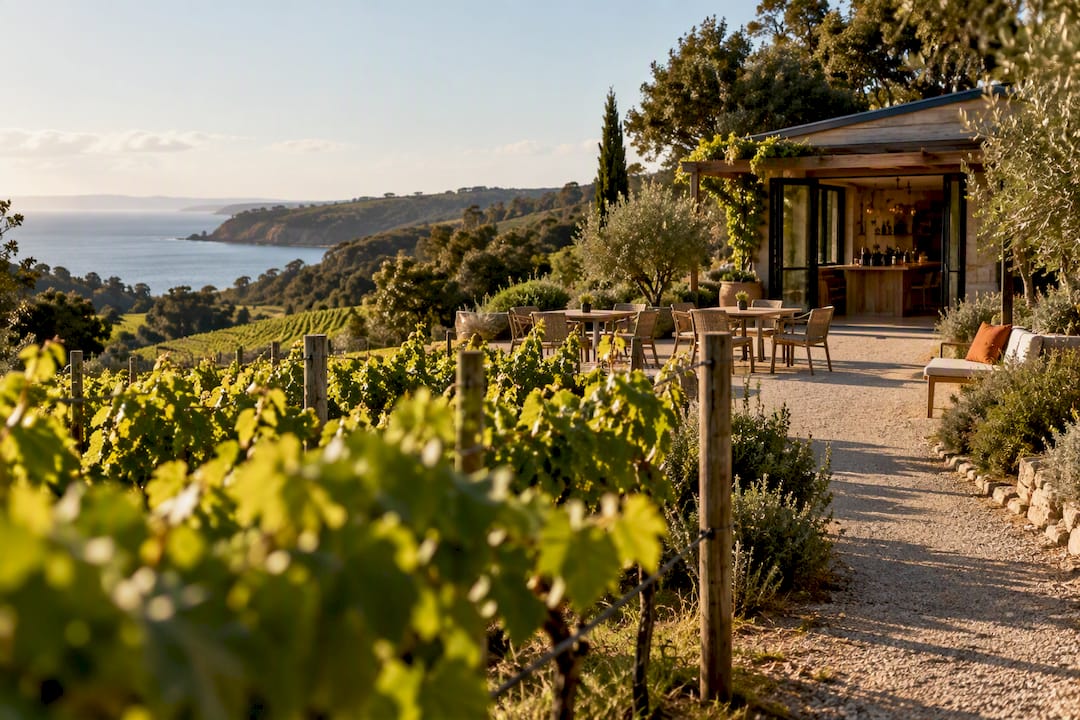
Quiet wineries on Waiheke cluster on the eastern and southeastern side of the island, away from the busy western tourist loop around Oneroa and Onetangi, and on the smaller organic estates that keep limited opening days. Weekday visits in early afternoon give you the calmest tables even at popular cellar doors. The one guaranteed route to a peaceful tasting, regardless of day or season, is booking a small-group or private tour that reserves your seating in advance. Success looks like unhurried pours, a host who has time to talk, and a table that isn’t shared with a bus tour.
TL;DR:
Booking a small-group or private tour guarantees access to quiet wineries and helps avoid crowded tasting rooms during peak times.
Wineries located on the eastern and southeastern sides of the island generally experience less foot traffic and are ideal for tranquil visits.
Visiting on weekdays, especially Tuesday through Thursday, combined with early or late afternoon slots, significantly reduces the chance of encountering crowds.
Smaller, boutique estates like Passage Rock and Obsidian offer more intimate and unhurried tasting experiences compared to large or highly trafficked wineries.
Reserving in advance and confirming outdoor or private seating are essential steps to ensure a peaceful tasting, with guided tours providing the most reliable quiet experience.
Table of Contents
What Makes a Winery Feel Quiet on Waiheke?
Quiet is not random on Waiheke. It follows a pattern you can plan around once you know what to look for.
Location matters most. Cellar doors near Matiatia Wharf and along the western circuit through Oneroa see the heaviest foot traffic, since that’s where most ferry arrivals land and where rental cars and tour buses naturally cluster. Properties on the eastern corridor sit farther from that flow and see fewer casual drop-in visitors as a result.
Reservation policy is the second-biggest factor. A winery that requires bookings and caps tasting numbers will always feel calmer than a walk-in restaurant-style cellar door built for volume. Seating style plays into this too: hillside terraces and small private tasting rooms feel intimate by design, while large open-air restaurant operations are built to move groups through quickly.
Eastern and southeastern locations away from Matiatia and Oneroa
Reservation-only or capped-capacity tasting rooms
Weekday visits, especially Tuesday through Thursday
Smaller boutique producers over large event-style estates
Off-peak seasons (late autumn and winter) over summer weekends
Pro Tip: Call ahead and ask directly whether the winery takes walk-ins or requires bookings that day. Some estates that are normally quiet get overrun during a single scheduled event, so a quick phone call beats guessing from a website calendar.
Quiet Cellar Doors and Vineyard Areas Worth Seeking Out
These five picks favor peaceful pacing over sheer popularity. Each one earns its place because of location, capacity, or booking style, not because it’s the biggest name on the island.
Passage Rock, southeastern Waiheke. This estate sits on the quieter southeastern edge of the island, well off the main tourist loop, and rewards visitors who commit to a half-day or full-day trip rather than a quick stop. The relaxed restaurant and lawn games suit an unhurried afternoon. Book ahead for lunch, aim for a weekday, and pair the visit with nothing else on that side of the island so you’re not rushing back west.
Obsidian’s amphitheater-style tasting space. Obsidian runs a genuinely boutique cellar door, with small-scale, relaxed tastings that rarely feel crowded even on a decent day for visitors. A standard tasting runs around $20. Visit in the early afternoon on a weekday and call ahead if you want outdoor terrace seating rather than the main room.
Awaroa Organic Winery. As a small organic producer, Awaroa keeps limited opening days and has historically closed through July and August, which naturally filters out casual traffic. That makes it one of the calmer stops on the island whenever it is open. Check current hours before you go, since organic and small-batch producers change their calendars more often than large estates.
Boutique producers scattered off the western loop. Local tourism coverage tends to spotlight the same handful of high-traffic names on the western circuit, which means the quieter alternatives are almost always the smaller, less-marketed estates elsewhere on the island. Ask any cellar door host for a recommendation nearby. Locals usually know which neighboring producer keeps a lower profile.
Any eastern-corridor estate paired with a longer visit. Rather than treating the east side as a quick add-on, plan a longer stay there instead of squeezing it between ferry-adjacent stops. The eastern stretch rewards patience. Building your day around one or two eastern stops, instead of a rushed loop of five, is what actually produces the quiet experience people are chasing.
Planning a Quiet Waiheke Winery Day
Timing decides more than any other factor. Weekdays beat weekends by a wide margin, and early afternoon, once the first ferry rush has cleared but before the late-afternoon crowd settles in, tends to be the calmest window. A late-afternoon slot works too, particularly outside summer, when fewer day-trippers are still on the island.
Route sequencing matters almost as much as timing. Group your eastern or southeastern stops together rather than zigzagging across the island, since backtracking wastes time and pushes you into traffic on the narrow coastal roads during peak hours.
Choose weekdays and early or late afternoon slots over weekend midday visits
Cluster quieter eastern stops in one loop instead of crossing the island repeatedly
Compare self-drive, private transfer, or a small-group tour based on how much you want to think about logistics
When booking, ask specifically for outdoor or private seating and confirm the tasting slot isn’t shared with a larger group
Have a backup estate in mind in case of weather or a last-minute closure
Self-driving gives you flexibility but adds the job of navigating and finding parking at each stop. A private transfer removes that friction while still leaving the itinerary in your hands. A small-group guided tour trades some flexibility for a host who already knows which tables are quiet that day and adjusts on the spot.
Why Waiheke Still Feels Peaceful Despite Its Wine Reputation
Waiheke packs roughly 30 wineries into about 36 square miles, and most of them operate at a genuinely boutique scale rather than as large commercial operations. That density of small producers, spread across a compact but geographically varied island, is exactly why quiet pockets exist. Eastern locations and organic estates like Awaroa run smaller, more site-specific hospitality models by nature, not by accident. The busiest names sit on the western loop; the calmer ones are often just a short drive away.
— Luca
Small-Group Tours as a Reliable Quiet Option
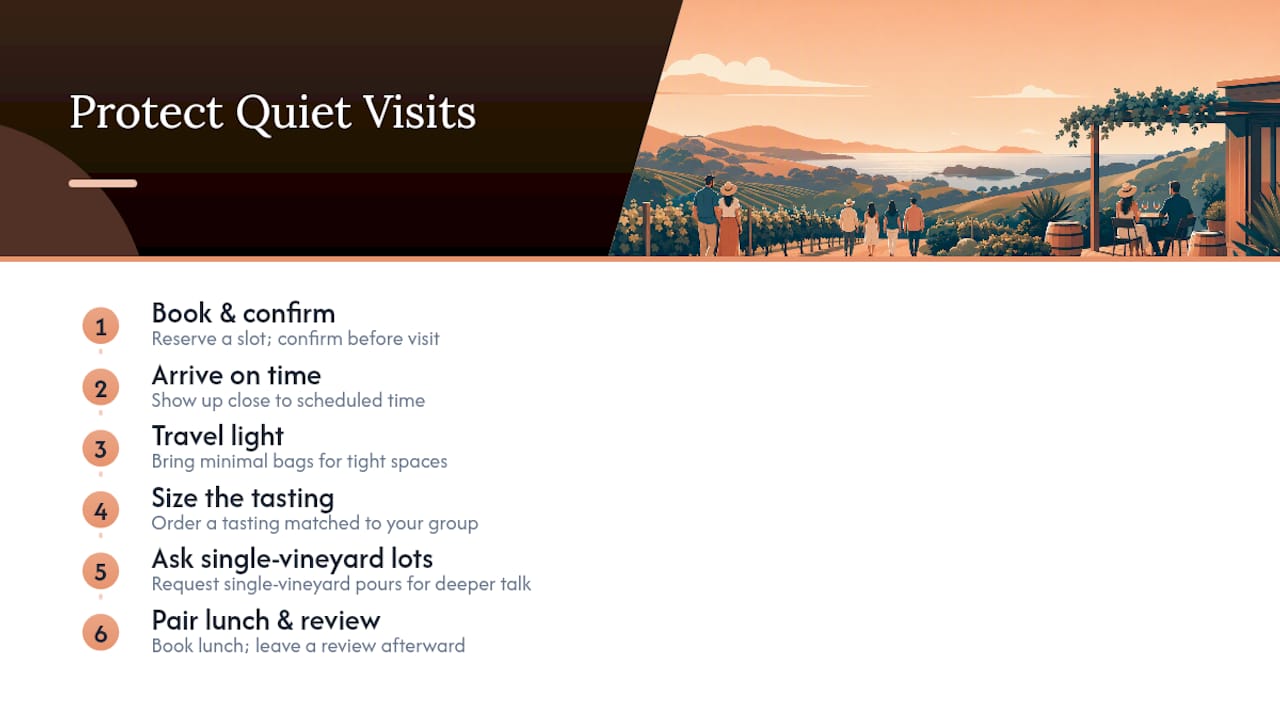
Self-planning gets you close to quiet, but it still leaves you at the mercy of a fully booked tasting room or a coach tour arriving at the same moment. Booking a small-group tour removes that variable entirely. The Italian on Waiheke runs guided visits capped at six guests, built around curated boutique vineyard stops, gourmet dining, and local knowledge shared directly by the host. Reserved access and slower pacing mean fewer interruptions and more actual conversation with the people pouring your wine, which is the part self-guided visits rarely deliver.
Respecting the Small Wineries That Keep Waiheke Quiet
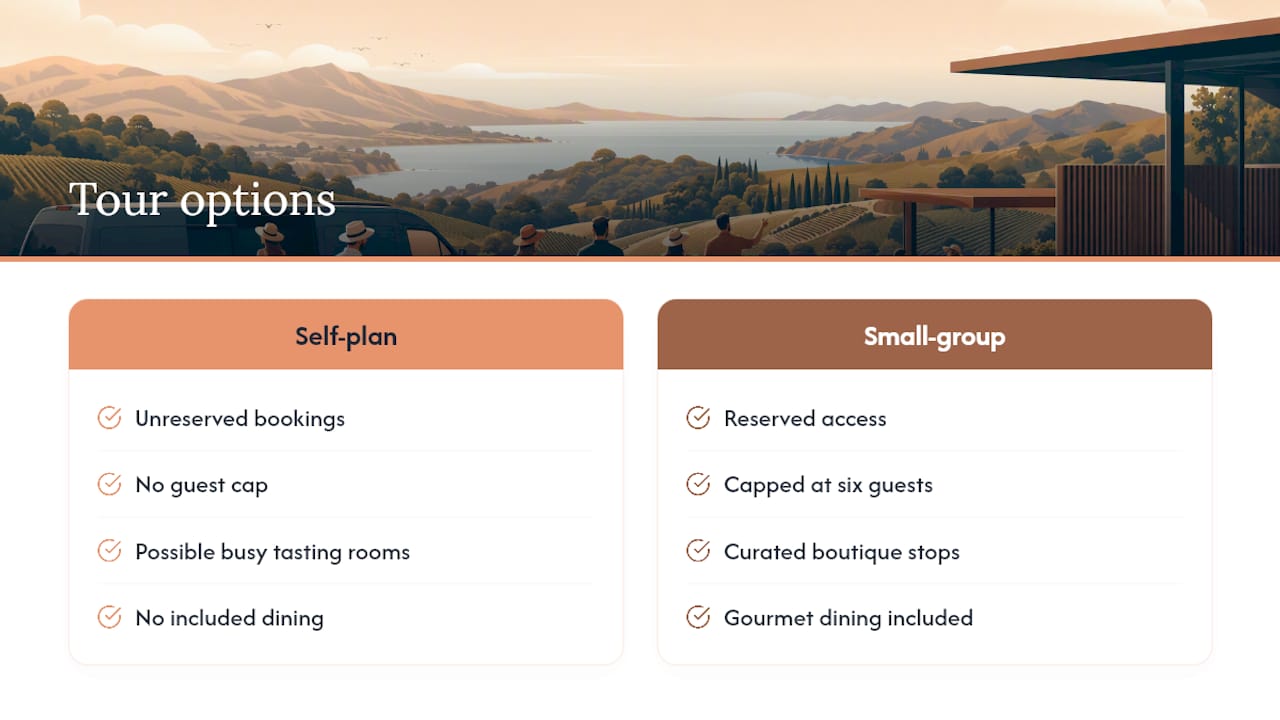
Book ahead, confirm your slot, and show up close to on time. For added convenience and a touch of luxury, consider private yacht experiences for couples to enhance your quiet winery day with intimate transport options. Travel light, order a tasting sized to your group, and be aware that a two-person staff pour room can’t absorb a sudden crowd. Ask about single-vineyard lots if you want a deeper conversation, pair your visit with a lunch reservation so you’re not rushing the host, and leave a review afterward. It’s one of the few things that genuinely helps small producers stay findable without losing what makes them quiet.
Book a Guaranteed Quiet Wine Day on Waiheke
If you’d rather not gamble on which cellar door is calm that day, book a route that’s already built for it. Theitalianonwaiheke runs small-group tours capped at six guests, pairing curated boutique vineyard visits with gourmet dining and local insight from a host who knows which tables are quiet before you arrive.
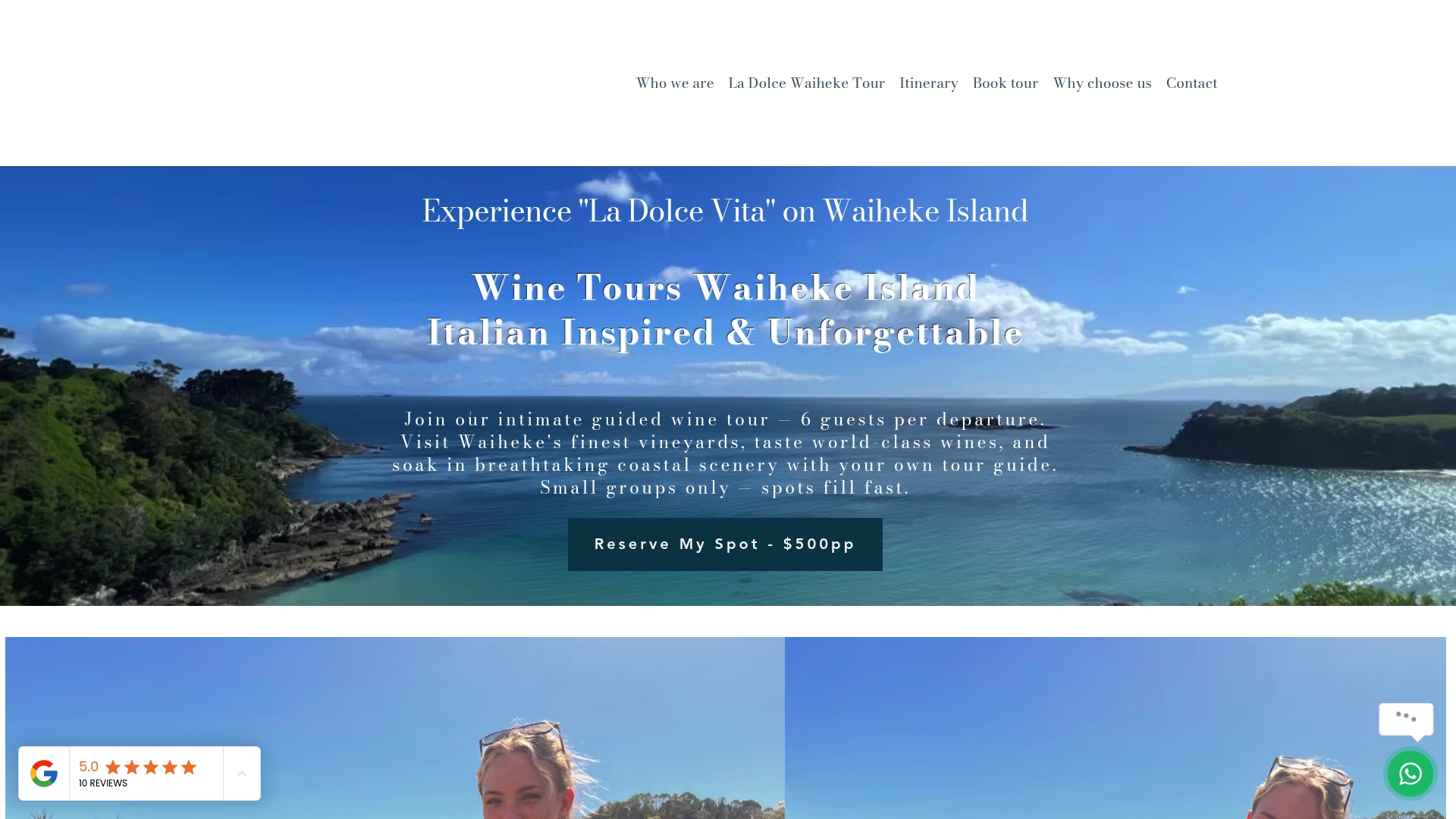
The La Dolce Waiheke Tour, Michelin Star Waiheke Experience, and Private Tour options each combine boutique wine stops with genuine cultural immersion, the kind of pacing that a shared tasting room simply can’t offer. Ready to lock in a date? Book your spot now and start your Waiheke day with a plan already built for calm.
Sources
FAQ
What Is the Best Winery on Waiheke Island?
There’s no single “best” winery since Waiheke’s roughly 30 producers each specialize differently, but for a peaceful experience, boutique estates like Passage Rock and Obsidian consistently rate well for calm, unhurried tastings. If you want a guaranteed quiet visit rather than a gamble, a curated small-group tour removes the uncertainty entirely.
Which Winery Is Considered the Best in New Zealand?
New Zealand’s wine reputation spans several regions, from Marlborough’s sauvignon blanc country to Central Otago’s pinot noir estates, so “best” depends heavily on style preference. Within Waiheke specifically, boutique producers on the eastern corridor tend to draw the strongest praise for quality paired with a genuinely intimate setting.
Where Is Sam Neill’s Vineyard Located?
Sam Neill’s vineyard, Two Paddocks, is located in Central Otago on New Zealand’s South Island, not on Waiheke. Waiheke’s own wine scene is entirely separate, built around its roughly 30 boutique wineries near Auckland.
Do Famous People Live on Waiheke Island?
Waiheke has long attracted notable New Zealand residents and visitors drawn to its combination of vineyards, beaches, and proximity to Auckland, though specific current residents aren’t something local tourism sources publicly confirm. The island’s low-key, small-community feel is part of what keeps its wineries quiet in the first place.
How Do I Book a Quiet, Private Wine Tasting on Waiheke?
The most reliable way is reserving a small-group or private tour in advance rather than relying on walk-in availability at busy cellar doors. Theitalianonwaiheke’s tours cap groups at six guests, with pricing starting at $350 NZD per person for the La Dolce Waiheke Tour and $500 NZD for a fully Private Tour.
Recommended
Comments