
Decide in 5 Questions: Tasting Menu vs A La Carte With NZ Prices


A tasting menu is a chef-led, fixed-sequence experience best for discovery and special occasions. À la carte is dish-by-dish ordering best for flexibility and business or casual dinners. For a celebration or a first visit to a chef’s table, the tasting format delivers more surprise per seat; for a quick lunch or a group with mixed appetites, à la carte keeps the bill and the clock under your control.
TL;DR:
Tasting menus include multiple small courses planned by the chef, often with wine pairings, and usually require a longer time commitment.
À la carte allows for individual dish selection with full-sized portions, offering faster service and more flexibility for dietary needs.
Long tasting menus typically cost more than à la carte mains, partly due to labor and ingredient spread over many courses, with prices ranging broadly.
Booking a tasting menu generally requires advance notice and deposits for high-end venues, especially for menus exceeding eight courses.
Private, chef-led tasting experiences suit small groups seeking personalized pacing and pairings, making them ideal for celebrations or special occasions.
Table of Contents
What a tasting menu is: structure, variants, and why chefs use it
What à la carte means: ordering, portions, and kitchen implications
How to decide: a checklist and the questions to ask when booking
Cost and value: what tasting menus and à la carte actually run
When a guided wine tour or private dinner suits the tasting format best
What a tasting menu is: structure, variants, and why chefs use it
A tasting menu is a fixed-price meal made of small portions of many dishes served across several courses, and diners generally do not choose the individual dishes or the number of courses. The chef sets the sequence, which is what separates this format from a standard set menu where you at least pick a main.

Lengths vary widely. Tasting menus vary in length and timing, with shorter ones designed for quicker meals and longer ones for extended dining experiences, often several hours with wine pairing. Chefs favor this structure because it lets them build a composed progression around what is in season that week, rather than keeping a sprawling inventory ready for whatever a guest might order.
Beverage pairings change the math. Adding a sommelier-selected pour to each course extends service time and raises the per-person price, but it also ties the drink choices directly to the chef’s intent for each dish, which is part of why pairings are treated as a feature rather than an add-on.
What à la carte means: ordering, portions, and kitchen implications
À la carte comes from the French phrase for “by the card,” meaning you order individual dishes separately, each priced on its own rather than bundled into a set price. Portions are built for a full appetite rather than for sampling, so a main course here is meant to be a meal, not one note in a longer story.
This format asks more of the kitchen’s mise en place, since the team has to keep a wide range of ingredients ready for any combination a table might order, rather than prepping toward one known sequence. In exchange, service tends to move faster once orders are in, which is why à la carte remains the practical choice for business lunches, solo diners, and any group where appetites and schedules differ.
Portion size, price, and pacing: a side-by-side look
The two formats pull apart cleanly once you line them up against what actually matters at the table.
Portion size and satiety: tasting menus serve small, composed portions across many courses; à la carte portions are full-sized and sized to satisfy on their own.
Price structure: a tasting menu is one fixed price for the whole sequence; à la carte totals build up dish by dish, so the final check depends entirely on what you order.
Chef control and creativity: tasting menus hand the chef the choreography; à la carte hands you the control, with the kitchen responding to your choices rather than directing them.
Time commitment and pacing: tasting menus run longer and are paced by the kitchen; à la carte moves at whatever speed the table sets.
Dietary flexibility: à la carte lets you simply skip a dish that does not work; tasting menus need advance notice so the kitchen can adjust a multi-course sequence.
A tasting menu reads like a choreographed progression toward one idea; à la carte reads like an itemized check you build yourself. If what you want is a guided story, pick the tasting sequence. If what you want is certainty over cost and timing, à la carte wins.
How to decide: a checklist and the questions to ask when booking
Start with five practical questions about your evening: how many hours do you actually have, what is your budget per person, how hungry is your group, does anyone have dietary restrictions, and are you looking to be surprised or to order exactly what you know you want. The answers usually point you to one format before you even look at a menu.
Once you have a restaurant in mind, call or email with a short list of questions:
How long does the tasting menu typically run, start to finish?
Can the kitchen substitute courses for allergies or dislikes?
Is a wine or beverage pairing available, and is it priced separately?
Is a deposit or prepayment required, and what is the no-show policy?
Does the menu change seasonally, and when was it last updated?
Pro Tip: Ask whether the kitchen can shorten or lengthen the tasting sequence. Many restaurants will quietly offer a five or six course version alongside the full twelve course menu if you ask when you book.
Cost and value: what tasting menus and à la carte actually run
A fixed-price tasting menu means you know the total before you sit down, aside from drinks. À la carte means adding up each dish, so a seemingly modest menu can land well above or below a tasting menu’s price once appetizers, mains, and a side or two are tallied.
Recent New Zealand reporting on Michelin-recognized restaurants gives a useful range. At Essence, a full Journey tasting menu runs about $450, with a shorter version around $295, while Tala’s Chef’s Journey sits at $215. On the à la carte side, Ortega’s set menus run $95 to $130 and its à la carte mains run $46.90 to $52.90, which shows how much the final bill depends on how many courses you actually order.
Long tasting menus generally cost significantly more than individual à la carte mains.
Shorter tasting formats reduce this price gap.
Beverage pairings add additional cost, which à la carte diners may opt out of.
A long-form tasting menu’s premium price reflects labor and ingredient cost spread across many small courses rather than one large plate, which is part of why sample NZ pricing shows such a wide spread between venues and formats.
Timing, deposits, and handling dietary restrictions
À la carte service usually runs between one and two hours, prix fixe takes slightly longer, and tasting menus may range from around one and a half hours to several hours depending on length and pairings. Longer tasting formats generally need advance booking, and high-end venues often require a deposit or full prepayment to manage no-shows against a kitchen that has already prepped for a fixed number of seats.
Book tasting menus further ahead than à la carte, especially for seatings above eight or ten courses.
Flag allergies when you reserve, not when you arrive, so the kitchen has time to plan substitutions.
Ask whether a simplified or separate tasting can be run for guests with strict restrictions rather than altering every course.
When a guided wine tour or private dinner suits the tasting format best
Chef-driven tasting sequences and sommelier pairings line up naturally with small-group settings, where the pacing can flex around the guests actually at the table rather than a packed dining room on a fixed schedule. This is where a private wine tour or a chef-led dinner for a small group tends to outperform a standard restaurant tasting menu on comfort and personalization.
We run small groups for exactly this reason: a private dinner or guided wine tour lets us match the pacing and the wine pairings to what the group actually wants that evening, rather than running a fixed room schedule. If you already know you want a tasting menu versus à la carte decision resolved in favor of a guided, chef-paced evening, mention your preferences when you book so the pacing and courses can be adjusted ahead of time.

A guide’s honest take on choosing between the two
Book the tasting menu when you have the time and the occasion calls for discovery, and keep à la carte for nights when you already know what you want and need the check to be predictable. The best tasting sequences earn their length through smart restaurant dining tips to maximize every meal, not course count, so a well-paced nine-course menu often satisfies more than a rushed twelve-course one.
— Luca
Book a tailored tasting experience with us
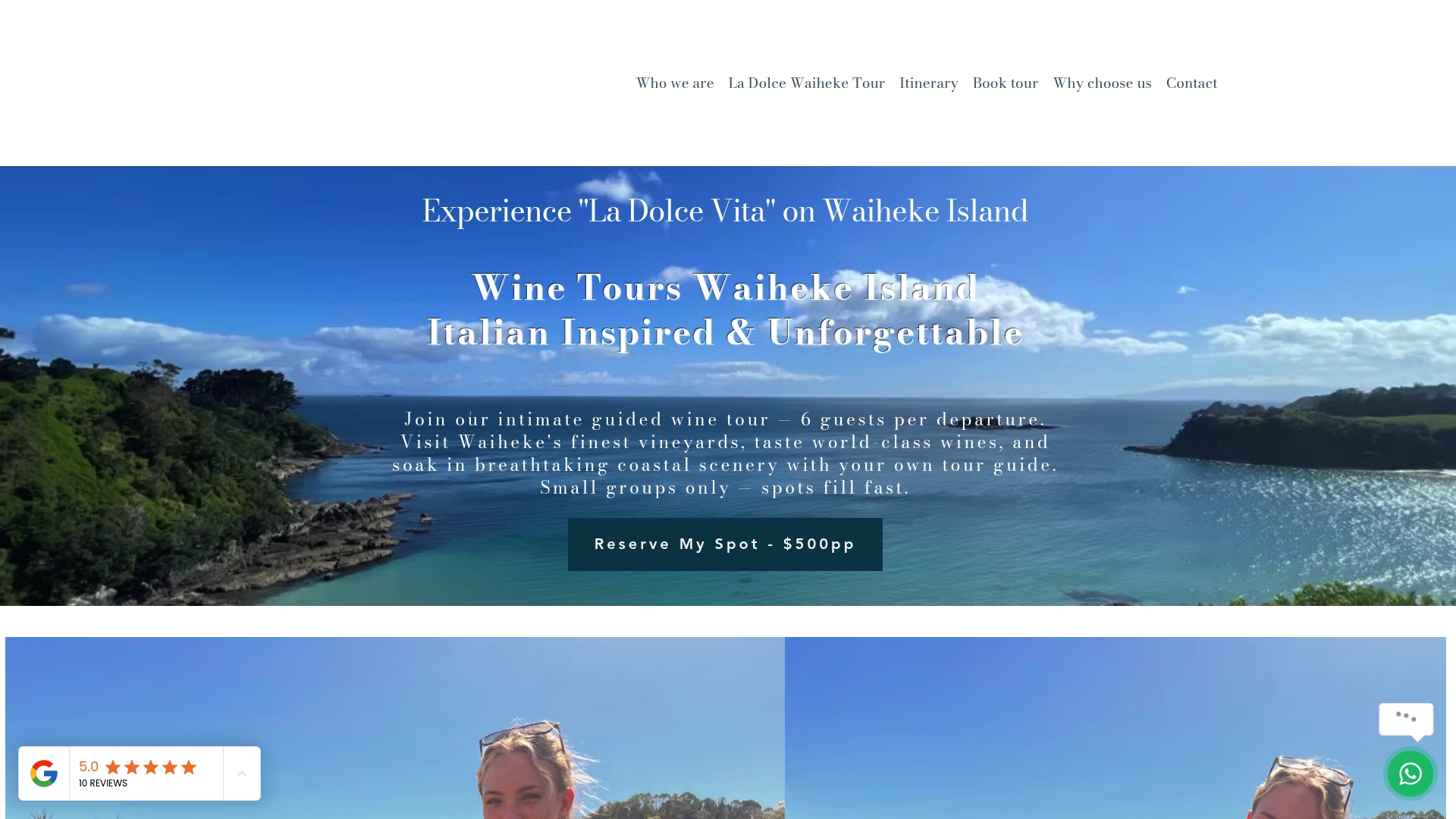
If a chef-led, paced progression sounds like what you are after, we build that experience around small groups rather than a fixed dining room. Our La Dolce Waiheke Tour pairs boutique vineyard visits with gourmet local dining, and our Michelin Star Waiheke Experience extends that into a longer, more elaborate tasting-style outing for guests who want the full progression. For a fully private evening, we also offer a private dinner with a chef at your accommodation.
Groups are kept intentionally small, so pacing and courses can be adjusted to the table.
A private tour can be built around a tasting-style dinner rather than a standard restaurant seating.
Pairings, timing, and course count can all be discussed before the day.
Book online to check availability, or book now if you already have a date in mind.
FAQ
Is a tasting menu worth it?
A tasting menu is worth it when you value chef-led discovery and have the time for a longer seating, since the fixed price reflects a composed, multi-course progression rather than a single dish. For a quick or budget-conscious meal, à la carte usually delivers better value per dollar.
What is the difference between “à la carte” and “menu”?
“Menu” is the general list of everything a restaurant offers, while “à la carte” specifically means ordering individual dishes from that list, each priced separately. A tasting menu or prix fixe menu, by contrast, bundles courses into one set price chosen largely by the kitchen.
What is considered a tasting menu?
A tasting menu is a fixed-price, multi-course meal where the chef determines the dishes and their order, typically in small portions meant for sampling rather than filling up on one dish. Lengths range from short five or six course versions to long-form menus with a dozen or more courses.
Do you get full from a tasting menu?
Most diners do get full from a tasting menu, since the small portions add up across many courses, though how full you feel depends more on pacing and total food served than on the headline course count. A well-paced nine-course menu can be more satisfying than a rushed twelve-course one with thinner portions.
Sources
Recommended
Comments