
March to April Harvest on Waiheke, Wine Season Tours & Booking Tips


Waiheke’s grape harvest peaks in March and April, and that six-to-eight-week stretch is the most atmospheric time to visit for wine season. The wider visiting window runs from late September through mid-May, with summer draws the biggest crowds and autumn offers harvest energy without the queues. Cellar doors mostly stay open year-round, though hours and booking rules shift with the seasons.
TL;DR:
The harvest on Waiheke typically occurs from March to April, with some sites starting as early as February or lingering into late April due to microclimate factors.
Reds like Syrah and Bordeaux blends ripen later than whites, causing harvest dates to spread over several weeks depending on elevation, exposure, varietal mix, and seasonal weather.
Visiting during mid to late March usually offers the best chance to see harvest in progress, with autumn providing fewer crowds and mild weather for sightseeing.
Vineyard booking slots for tastings and harvest-specific events sell out quickly, so advance reservations are essential, especially during peak harvest months.
The island’s maritime climate influences harvest timing and wine profiles, with warmer, drier seasons producing riper reds and crisper whites, while wetter or cooler years yield lighter, more acidic wines.
Table of Contents
When Is Waiheke Wine Season, Exactly?
Harvest on Waiheke Island typically runs from March into April, with most vineyards picking their main red varietals during that window. Some sites start earlier if a hot, dry summer pushes ripening along; others hold out into late April if they’re chasing extra concentration in the fruit. Batch Winery’s own seasonal notes put picking anywhere from February through April depending on the site, which tells you how much microclimate matters on an island this size.
Syrah and Bordeaux-style blends, Waiheke’s signature reds, tend to hang on the vine longer than white varietals like Chardonnay or Pinot Gris. That staggered ripening is part of why “harvest season” isn’t one single date on Waiheke. It’s a rolling few weeks where different blocks come off at different times.
A few things shift the calendar from vineyard to vineyard:
Elevation and slope: Higher, more exposed blocks often ripen slightly later than sheltered valley plantings.
Coastal exposure: Sites closer to open water get more wind and moderated heat, which can delay sugar accumulation.
Varietal mix: A vineyard heavy on reds picks later, on average, than one leaning toward whites.
Heat accumulation that year: A warm, dry January and February can pull the whole harvest forward by a week or two.
None of this makes harvest unpredictable so much as spread out. If you want to see actual picking in progress rather than just harvest-themed events, mid to late March is usually your safest bet.
What Does Each Season Actually Look Like on Waiheke?
Spring (September to November) is quiet and green, with budburst happening across the vineyards and cellar doors easing back into full operating hours after winter. Summer (December to February) is peak season, full ferries, full restaurants, and vineyard lawns packed with day-trippers soaking up long days and warm weather. Autumn (March to May) is harvest time, when the vines carry fruit, the light turns gold in the afternoons, and the pace on the island slows down even as the wineries get busier behind the scenes. Winter (June to August) is the off-season proper: cooler, wetter, and noticeably calmer, with some tasting rooms trimming their hours.
The trade-off is straightforward. Summer gets you the best weather for swimming and lounging on a vineyard lawn, but you’re paying peak prices and competing for the same restaurant tables as everyone else. Autumn gets you harvest atmosphere and fewer crowds without sacrificing much in the way of good weather, since Waiheke’s autumns stay mild well into April.
Harvest season overlaps with several events worth building a trip around:
Harvest open days: Several vineyards run limited-capacity tastings and harvest lunches timed to the picking season.
Waiheke Walking Festival: A spring event that pairs well with vineyard visits for travelers extending their stay.
Easter jazz and blues events: These often land right in the middle of harvest, giving visitors a reason to combine wine tasting with live music.
Pro Tip: Harvest events and limited-capacity tastings can sell out fast in March and April, so check individual winery event pages weeks ahead rather than assuming you can walk in.
How Do You Plan a Waiheke Wine Trip?
Tasting flights across the island generally run $20 to $80, with guided tours, paired lunches, or private tastings pushing well above that range. Cable Bay and Man O’ War both post tasting menus in that bracket, and both also offer bookable private experiences at higher price points for visitors who want more than a standard flight.
Booking lead times depend heavily on the season:
Peak summer weekends (December to February): Book vineyard restaurants and popular tastings 6 to 8 weeks out, particularly for Friday and Saturday lunch slots.
Harvest season (March to April): Reserve harvest-specific events and lunches as soon as they’re announced. These have limited capacity and sell out quickly.
Shoulder and winter months (May to November): Days to a couple of weeks of notice is usually enough, though it’s worth confirming hours first since some cellar doors reduce winter hours or shift to appointment-only.
Getting to Waiheke is straightforward: the fast ferry from downtown Auckland takes roughly 35 to 40 minutes, with sailings running more frequently in summer than in the shoulder or winter months. Once you’re on the island, options include coach tours, taxis, hired e-bikes, and rental cars, though some of the best-known vineyards sit at the eastern end of the island, a longer haul than the cluster near Oneroa.
Day trips work fine if you’re targeting two or three wineries near the ferry terminal and want to catch a return sailing by early evening. If your list includes an eastern-end vineyard alongside a western one, or you want a long lunch without watching the clock, staying overnight removes the pressure entirely.
Which Waiheke Wineries Should Be on Your Shortlist?
Six names come up again and again in visitor guides, and each earns its spot for a different reason.
Mudbrick: Known for its gardens, sweeping harbor views, and a restaurant that regularly books out for sunset dinners, so reserve well ahead.
Cable Bay: A polished, modern cellar door with a strong tasting menu and one of the more accessible locations near Oneroa.
Batch Winery: Focused, small-batch reds with a relaxed, less commercial feel, and useful published notes on its own vineyard and seasonal rhythms.
Stonyridge: Home to one of New Zealand’s most celebrated Bordeaux-style blends, with a loyal following and limited-release bottlings worth planning a visit around.
Man O’ War: A beachfront tasting room on the island’s eastern end, with seasonal hours and tasting prices that make advance booking worthwhile given the drive.
Obsidian: A smaller, boutique operation known for its blends and a more intimate tasting experience than the bigger commercial cellar doors.
Accessibility varies a lot. Mudbrick, Cable Bay, and Batch sit within easy reach of Oneroa and the ferry terminal, which makes them natural anchors for a day trip. Stonyridge, Man O’ War, and Obsidian sit further out and are worth pairing with a car, e-bike, or coach tour rather than trying to walk between them. Whichever names make your list, check cellar-door hours before you travel, and reserve lunch at any vineyard restaurant on your itinerary rather than hoping for a walk-in table.
Why Do Wineries Time Everything Around the Weather?
Waiheke’s maritime climate is milder than mainland Auckland, but it still swings enough to shape how each vintage turns out. Spring frosts can damage new shoots right after budburst, which is why growers watch overnight temperatures closely through September and October. Summer heat and rainfall then determine how much sugar builds in the grapes and how healthy the canopy stays heading into harvest.
A wet February can delay picking and dilute flavor concentration, while a dry, warm run into March tends to produce riper fruit and an earlier harvest. Wind matters too. Coastal blocks get more airflow, which helps keep fungal pressure down but can also slow ripening compared to sheltered inland sites. That’s part of why two vineyards a few kilometers apart can pick the same varietal two weeks apart.
Autumn rain is the biggest wildcard. A dry autumn lets growers wait for optimal ripeness. A wet one forces earlier picking to avoid rot, even if the fruit hasn’t hit ideal sugar levels. This is the underlying reason harvest dates move around year to year rather than sitting on a fixed calendar date, and it’s also why a vineyard’s specific site, not just the island’s general climate, ends up dictating harvest timing.
Does the Season You Visit Affect What’s in the Glass?
Yes, and it’s not just about ripeness. A warmer, drier growing season tends to produce riper tannins and higher potential alcohol in Waiheke’s reds, while a cooler or wetter year often results in brighter acidity and lighter body. Vintages vary enough on the island that a Stonyridge or Man O’ War red from one year can taste noticeably different from the same wine three vintages later.
For whites, the effect is more about balance than power. A Chardonnay picked after a mild summer typically retains more natural acidity, giving it a crisper profile, while extra heat can push it toward richer, softer fruit character. Growers manage some of this through picking decisions, choosing to bring fruit in slightly earlier to preserve freshness or later to chase depth, but the underlying growing season still sets the ceiling for what’s possible in the bottle.
This is also why tasting the same wine across different vintages at a cellar door is worth doing if you have the time. It’s one of the clearer ways to understand how a single growing season translates into a glass, and most tasting flights on the island include at least one back-vintage option for exactly this reason.
How Do Wineries Manage Pests and Disease Through the Year?
Vineyard risk on Waiheke shifts with the seasons rather than staying constant. Spring is the highest-risk window for fungal disease, since new shoots and flowers are vulnerable to botrytis and powdery mildew, particularly during warm, damp stretches. Growers typically increase canopy management, opening up the vine rows for airflow, during this period to keep humidity from building up around the fruit.
Summer brings a different set of concerns. Warmer weather can bring pressure from insects and birds as the grapes sweeten, which is why netting is a common sight over vineyard rows from around January onward. Heading into harvest, the priority shifts to disease pressure around the ripening fruit itself, since split or damaged berries are an easy entry point for rot, especially if autumn rain arrives before picking is finished.
Winter, by contrast, is largely a maintenance period. Pruning happens during the dormant months, and it’s as much about setting up healthy growth for the following season as it is about disease prevention. Removing old wood and tidying up vine structure reduces the material where pests and fungal spores can overwinter, which gives the vineyard a cleaner start when budburst arrives again in spring.

What Happens at Wineries After Harvest Ends?
Once the fruit is in, the work moves from the vineyard into the winery, and this stretch runs from April through the winter months. Freshly picked grapes go through crushing, pressing, and the start of fermentation almost immediately, since delays at this stage can affect quality. For red varietals like Syrah and Bordeaux blends, this often means several weeks of active fermentation and maceration before the wine moves into barrels or tanks for aging.
May and June are typically when wineries settle into barrel maturation for their reds, a process that can run anywhere from several months to a couple of years depending on the wine. This is also when many cellar doors host post-harvest tastings or barrel-sample events, giving visitors a chance to taste young wine still finding its shape, an experience quite different from tasting a finished, bottled vintage.

Winter itself doubles as pruning season, with vineyard crews cutting back the previous year’s growth to prepare the vines for spring budburst. It’s a quieter time for cellar-door visitors but an active one behind the scenes, as wineries bottle earlier vintages, plan the next season’s plantings, and, in some cases, release limited-quantity wines timed to coincide with quieter winter tourism.
A Local’s Honest Take on Timing Your Visit
If harvest atmosphere matters to you, come in late March. If you want warm weather with fewer crowds than summer’s peak, aim for a midweek visit in early autumn instead.
— Luca
Book a Guided Wine Experience With Theitalianonwaiheke
Harvest season is exactly when logistics get tricky: popular vineyards fill their lunch slots, ferry timetables get busier, and driving yourself between the eastern and western ends of the island eats into the time you actually want to spend tasting wine. Small-group tours typically keep groups small to provide personal attention from the guide rather than herding visitors through a cellar door on someone else’s schedule.
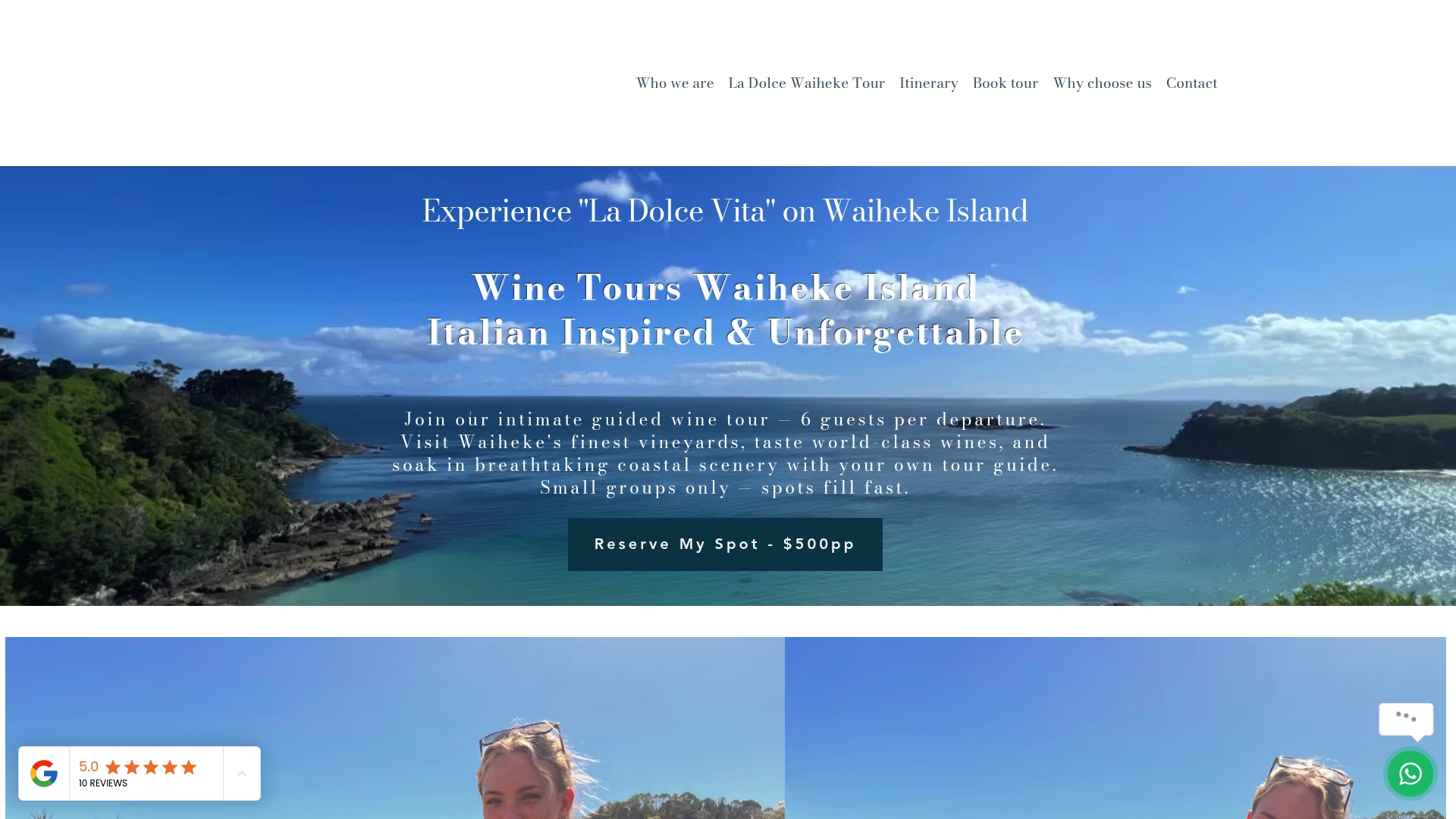
The La Dolce Waiheke Tour, the Michelin Star Waiheke Experience, and a fully Private Tour option each pair boutique vineyard visits with gourmet local dining, so you’re not scrambling to book a lunch table during the busiest weeks of the year. If March and April harvest timing lines up with your travel dates, check availability and book your spot on the Theitalianonwaiheke booking page before the harvest-season calendar fills up.
Sources
FAQ
What wine is Waiheke famous for?
Waiheke is best known for Syrah and Bordeaux-style red blends, which thrive in the island’s warm, maritime microclimate. The island also produces respected Chardonnay and Pinot Gris, though its reputation rests mainly on those premium reds.
How much does a wine tasting cost on Waiheke Island?
Standard tasting flights typically run $20 to $80 at most cellar doors, with guided tours and paired chef experiences priced higher. A guided small-group experience like Theitalianonwaiheke’s La Dolce Waiheke Tour runs 350 NZD per person and bundles multiple vineyard visits with gourmet dining into one price.
Which vineyard on Waiheke Island is considered the best?
There’s no single “best” since it depends on what you want. Mudbrick suits sunset dinners and views, Stonyridge is prized for its Bordeaux-style blend, and Man O’ War offers a distinctive beachfront setting, all commonly named among the island’s top vineyards.
What famous people live on Waiheke?
Waiheke has long attracted artists, musicians, and business figures drawn to its combination of privacy and proximity to Auckland, though the island doesn’t publish or confirm resident lists. Its reputation as a low-key retreat for well-known New Zealanders is part of its broader appeal alongside the wine industry.
When is the best time to visit for Waiheke wine season?
Late September through mid-May covers the full wine-season window, with March and April standing out for harvest atmosphere and events. Summer (December to February) is peak season for weather and crowds, while autumn offers a quieter, equally scenic alternative.
Recommended
Comments