
Eat 1–2 Hours Before a Wine Tasting: Simple Palate Ready Menus


Eat a modest, neutral-flavored meal roughly one to two hours before a wine tasting. If you must snack late, choose plain bread or water crackers with mild cheese. Avoid garlic, strong spices, coffee and minty products beforehand, drink water steadily, and pace your pours so your palate stays sharp and you stay clear-headed.
TL;DR:
Eat a moderate meal with slowly digested carbohydrates and lean protein one to two hours beforehand; oats, rice, chicken, or eggs work well.
If time is short, have bread or water crackers with mild cheese 15 to 30 minutes before tasting, and avoid heavy or fried food.
Avoid garlic, onions, chili, coffee, and minty products beforehand; menthol can affect taste for 30 to 60 minutes, while coffee may linger for hours.
Alternate wine with still water, set a personal limit, and spit when sampling many wines; eating can slow alcohol absorption but cannot eliminate risk.
Table of Contents
What to eat: neutral, palate-friendly foods
Your goal is simple: eat enough to feel steady without coating your mouth in flavors that compete with wine. Plain starches are the safest base because they fill you up without adding aroma or acidity of their own.
Plain bread and water crackers: neutral, filling and the same thing WSET recommends for resetting your palate mid-tasting.
Mild cheese and lean protein: a slice of chicken, white fish or a boiled egg adds staying power without strong flavor.
Complex carbs earlier in the day: oats, brown rice or farro at breakfast or lunch slow how fast alcohol hits your system.
Unsalted nuts and mild fruit: apple or pear slices and a small handful of almonds work as easy, neutral additions.
A balanced meal built on low-glycemic carbs and lean protein, eaten roughly one to two hours ahead, supports stamina through a long tasting and slows alcohol absorption, according to WineMag. Keep portions moderate rather than generous. The point is a steady palate, not a full stomach.
Pro Tip: Pack a small zip bag of plain crackers and a wedge of mild cheese for the car. It is the easiest insurance against both hunger and a wasted first pour.
What to avoid: foods and products that ruin a tasting
Some flavors linger on your breath and tongue far longer than you expect, and they will compete with everything you try to taste.
Garlic, onions, chili and curry: their volatile compounds stick around and distort how wine smells and tastes.
Coffee and strong tea: the bitterness and acidity persist and clash with a wine’s own acid and tannin.
Minty toothpaste, gum and mints: menthol numbs or cools your taste receptors for roughly 30 to 60 minutes.
Very sweet desserts and greasy food: sugar resets your palate toward sweetness, and oil coats your tongue.
Smoking or heavy perfume: both dull your sense of smell, which does most of the work in tasting.
WSET is specific on this point: prioritize neutral flavors and skip garlic, onion, chili, coffee, cigarettes, gum, toothpaste and mouthwash before you taste. Etiquette guides make the same case for coffee and mint specifically, noting both can distort wine perception for hours if eaten or brushed too close to tasting time, per VCD Social Club.
Timing and portions: when to eat and how much
Aim to finish a real meal about one to two hours before you taste. That gap gives digestion time to settle without leaving you hungry by the time the first glass arrives. WineMag points to this same window as the sweet spot for balancing satiety against lingering flavor.
If you are pressed for time, a small plain-starch snack 15 to 30 minutes before works as a stopgap: a few water crackers or a slice of bread, nothing more elaborate. Skip anything heavy or fried right before tasting. A big, rich meal makes you drowsy, dulls concentration and works against the alertness tasting requires. Eat enough to slow how fast alcohol reaches your bloodstream, not so much that you feel stuffed.

Hydration, pacing and safety
Food changes how alcohol moves through your body. It delays gastric emptying and can lower your peak blood alcohol concentration compared with drinking on an empty stomach, though the effect varies by person, according to a peer-reviewed review on alcohol harm reduction. Eating beforehand is a meaningful safeguard, not a license to drink without limits.
Alternate wine with still water, and decide on a personal limit before you start pouring. Spitting is standard practice at serious tastings and a sensible habit if you are sampling many wines in one sitting, notes Sommy. Health New Zealand recommends eating before your first drink and alternating with water throughout, simple steps that apply just as well at a tasting as at a party.

Ready-made menus and snack templates
Three templates cover most tasting schedules, timed to when your tasting actually starts.
Breakfast, about two hours before: oats or whole-grain toast with yogurt or eggs, plus a piece of fruit.
Lunch, about two hours before: brown rice, farro or pasta with grilled chicken or white fish and a side of mild vegetables.
Last-minute snack, 15 to 30 minutes before: plain bread or water crackers with a mild cheese, or a small handful of unsalted nuts.
For a shared snack board before a group tasting, keep it simple and sequenced:
Start with plain bread or crackers, about two to three pieces per guest.
Add a mild cheese and a few unsalted nuts per person, nothing pungent.
Finish with a small serving of neutral fruit like apple or pear.
For dietary swaps, use gluten-free crackers or a dairy-free cheese alternative rather than skipping the category entirely.
Flawless Cooking lists the same core combination, plain bread or crackers, mild cheese, lean protein and fresh fruit, as the most reliable pre-tasting options across tasting guides. If you would rather not cook, ready-to-serve pantry pairings like the ones from Señor Empanada can fill the same role with less prep.
Palate-cleansing between pours
Between wines, plain water and a small bite of bread or a cracker are your two main tools. WSET treats this combination as the standard reset, useful when a flavor lingers rather than a full ritual to repeat before every glass.
Give it a few seconds after spitting or swallowing before you eat or sip again, so your palate has time to settle before the next impression lands. Keep snacks small and purposeful: you are resetting your palate, not having a meal at the table. Be mindful of guests around you, too. Strongly flavored snacks can affect what others taste, and many venues have their own rules about outside food, so check before you bring your own board.
How guided tastings handle food differently
Guides who run tastings for a living think about food the same way, just earlier and with more planning. A well-run tasting stages modest, neutral bites and times them so guests can taste more wines before fatigue sets in. Pacing pours, offering a neutral cleanser between wines and advising on portions are part of the job, not an afterthought. Good curation keeps the food complementary so the wine, not the plate, stays the focus.
— Luca
A simpler way to taste without the prep
If planning meals and timing around a tasting sounds like more effort than you want, we handle that part for you. Our La Dolce Waiheke Tour pairs small-group wine visits with gourmet local dining, timed so food and wine complement each other rather than compete.
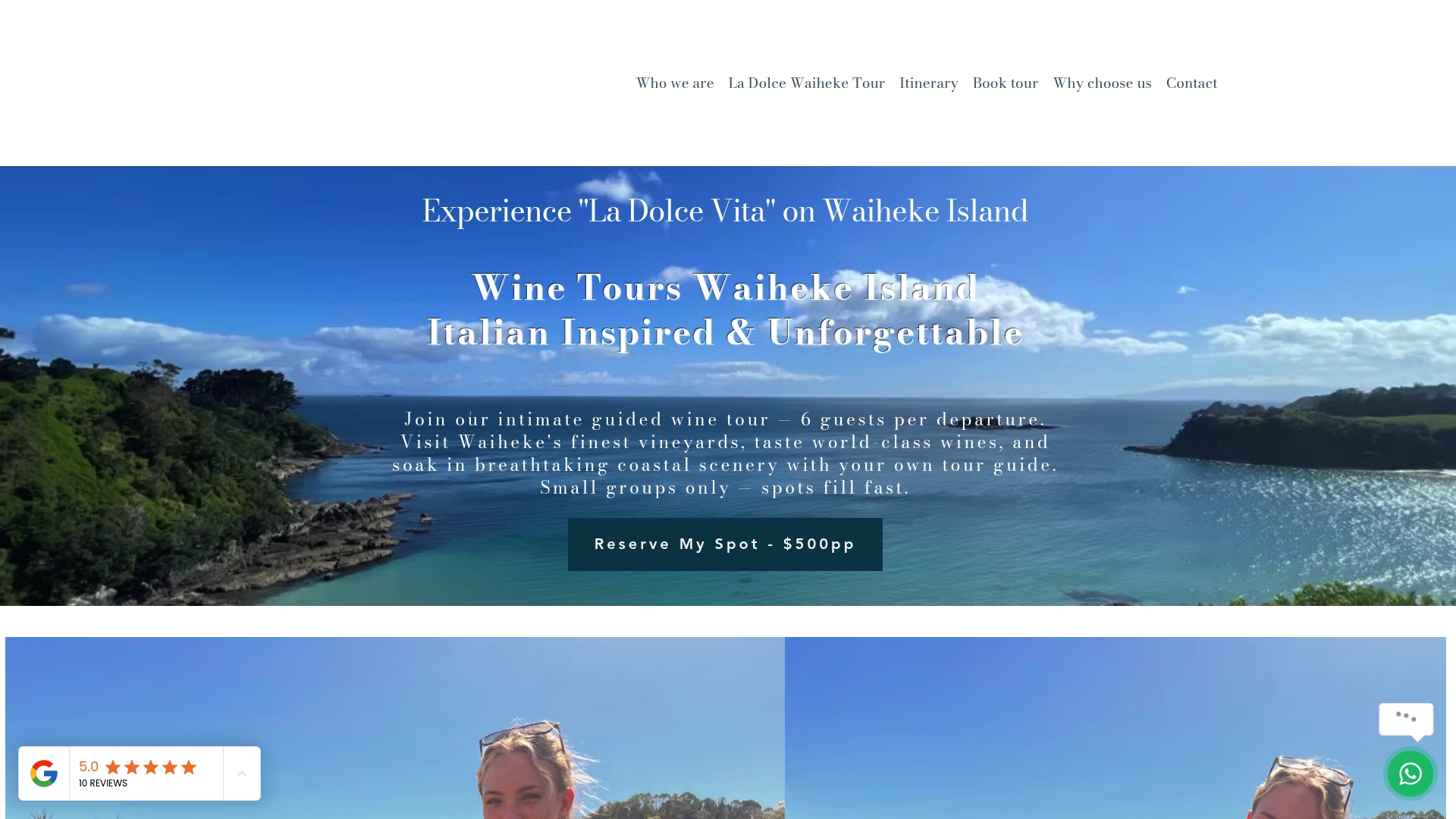
Groups stay capped at six guests, so pacing and portions are tailored rather than rushed.
Food is chosen and timed around each pour, not left to guesswork before you arrive.
Our guide manages the schedule, the cleansing bites and the pacing so you can focus on the wine.
For readers who want curated food and wine handled for them, our pricing and tour options cover the full range, from the standard tasting tour to the Michelin Star Waiheke Experience. You can check dates and book online whenever you are ready.
FAQ
What are the 5 S’s for wine tasting?
The S’s are a common shorthand for the tasting sequence: see, swirl, smell, sip and savor. They describe how to work through a glass methodically, not what to eat beforehand, though a neutral palate makes each step clearer.
How do I avoid getting drunk at a wine tasting?
Eat a balanced meal before you start, alternate wine with water, and set a personal limit before pouring begins. Spitting rather than swallowing every taste is standard practice at longer tastings and keeps you clearer-headed through more wines, per Sommy.wine.
How do I cleanse my palate before wine tasting?
Avoid strongly flavored foods, coffee and minty products for a few hours beforehand, and keep a piece of plain bread and water on hand to reset your palate if a flavor lingers. This is the core approach WSET recommends over any elaborate ritual.
Is it better to taste wine before or after lunch?
Eating a balanced meal roughly 90 to 120 minutes before tasting is generally the better approach, since it supports stamina and slows alcohol absorption without leaving lingering flavors on your palate. Tasting on a completely empty stomach can make you more vulnerable to alcohol and less able to concentrate, according to WineMag.
Is it safe to taste wine on an empty stomach?
Tasting wine on an empty stomach is not dangerous in itself, but it raises your peak blood alcohol concentration faster than tasting after food, which can affect both your judgment and your ability to concentrate. A modest meal beforehand is a simple way to reduce that risk, according to research on food and alcohol absorption.
Sources
Recommended
Comments