
Six Ways to Find Unique Weekend Activities Locals Love
- The Italian on Waiheke - Tours & Transfers

- 1 day ago
- 8 min read
Want a memorable weekend without another scroll through the same three brunch spots? Try one organized, small-group experience plus one low-effort neighborhood adventure. Here are six ideas you can act on today, plus how to book the one that actually gets planned instead of postponed.
Night wildlife walk (free to low cost, 2 to 6 people, 1 to 2 hours)
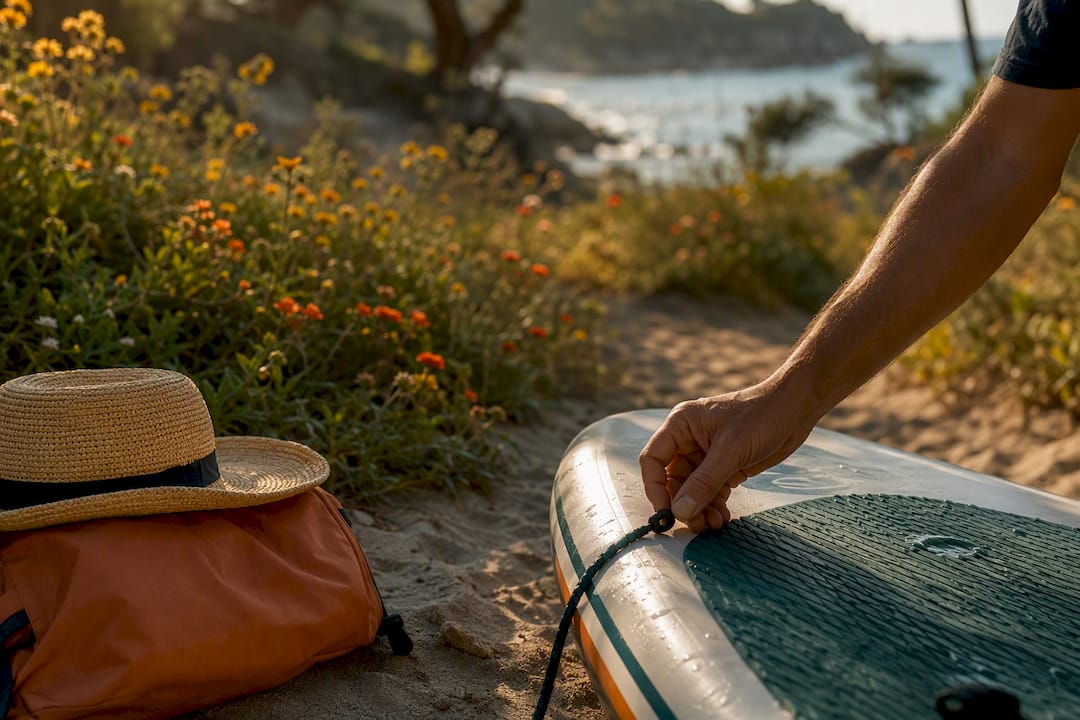
Marsh-maze paddleboarding (moderate cost, solo or pairs, half day)
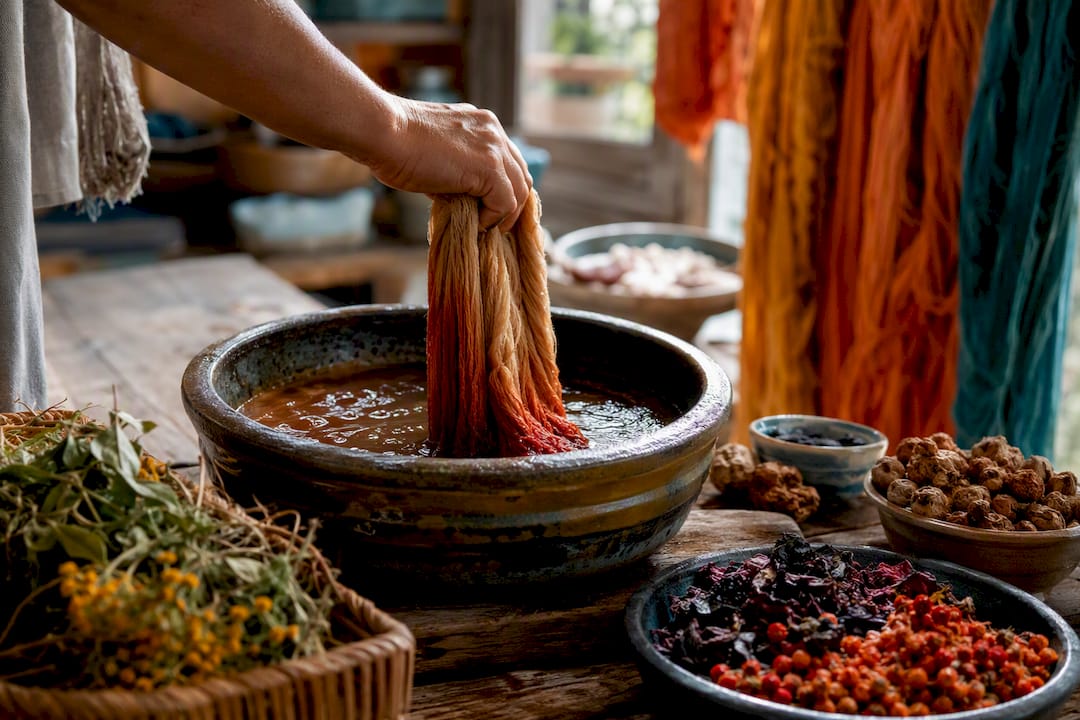
Foraged-fiber workshop (moderate cost, small groups, 1 to 3 hours)
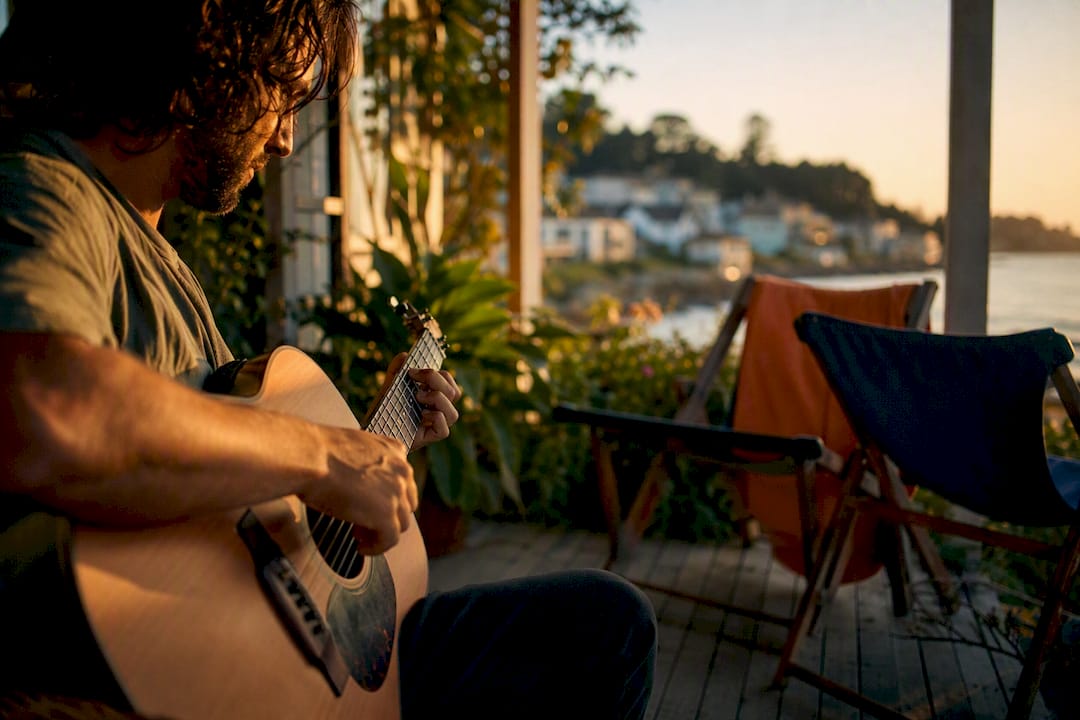
Porch-fest music walk (free to donation-based, any group size, evening)
Small-group wine and gourmet tour with The Italian on Waiheke (premium, up to six guests, full day) — the most curated, guide-led pick on this list
Primal-scream or breathwork gathering (free to donation-based, small groups, 20 to 25 minutes)
Key Takeaways
A great local weekend usually pairs one low-effort DIY outing with one guided, small-group experience that adds context you cannot get alone.
Point | Details |
Sort ideas by mood first | Search by feeling (quiet water, hands-on craft, community energy) instead of a generic “things to do” query. |
Vet before you book | Check safety gear, pricing, group size, and cancellation policy before committing to any listed activity. |
Book seasonally | Reserve summer weekend slots two to three weeks ahead; shoulder-season activities can often be booked within days. |
Quiet gear improves nature outings | Canoes and paddleboards produce far less noise than motorized craft, which tends to improve wildlife sightings. |
Book a guided pick for the anchor event | The Italian on Waiheke offers small-group wine and gourmet tours capped at six guests as a bookable, high-trust weekend option. |
Table of Contents
How Do You Find Unique Weekend Activities Locals Actually Do?
Most people default to whatever shows up first on a map app, which is exactly why those places feel crowded and generic. The trick is sorting ideas by mood before you search, because “something fun” is too vague to act on but “quiet water, moving light” gets you a paddleboard route by dinnertime.
Nature. Hidden-park paddle routes reward early risers with fewer boats and better light. Marsh-maze paddleboarding through laminated, themed routes turns a plain lake into a slow-motion scavenger hunt, and operators typically bundle gear rental into one admission fee. Night wildlife walks with a headlamp and a local naturalist cost little and reveal animals you will never see at noon.
Creative. Foraged-fiber workshops at urban farms or park programs run one to three hours and usually require you to register in advance, since materials and instructor time are limited. Pop-up craft markets and one-off pottery or dye classes fill the same slot if fiber art is not your thing.
Food and drink. Small-group wine and food tours put a knowledgeable guide between you and a dozen half-remembered vineyard names. Urban foraging walks or dockside seafood tastings work the same way for coastal foragers who want context, not just a cooler of catch.
Community and whimsy. Porch-fest music walks turn a single street into dozens of tiny concerts you can wander between for free, a model that works because neighbors host performers on their own porches. Cat tours (yes, real ones) map out neighborhood cats worth visiting. Primal-scream gatherings sound strange until you realize they are just guided breathwork with a loud finish, and most run 20 to 25 minutes for free or a small donation.
Where Should You Look for Local Weekend Ideas?
Finding the activity is the easy part. Vetting it so you do not waste a Saturday on a canceled event or an unsafe outing takes a bit more discipline.
Check community noticeboards and Facebook groups first. Local organizers post there before anywhere else, often days ahead of any official listing.
Scan Eventbrite and your regional parks or conservation authority calendar. These sources catch permitted, insured activities that random social posts sometimes miss.
Read local tourism and hospitality blogs for seasonal roundups. They tend to flag which events are annual traditions versus one-off experiments.
Run a five-point vetting check before you commit: safety gear (lifejackets for water activities, permits for harvesting or foraging), transparent pricing with no hidden add-ons, stated group size, age limits, and a clear cancellation policy.
Book with the season in mind. Summer weekends fill fast, often two to three weeks out for popular guided tours, while shoulder-season activities can usually be booked within a few days.
Pro Tip: Text or DM the host directly if a listing does not mention accessibility. Small operators will often adjust a route, timing, or gear on request, but only if you ask before the day of the event.
Three Weekend Plans You Can Copy This Month
A slow water day built around wildlife, not speed
Skip the motorboat. Canoes and paddleboards make almost no noise, and quieter craft consistently improve wildlife sightings because animals do not scatter at the sound of an engine. Pick a route with a map (marsh mazes are built for this), paddle at dawn or dusk when animals are most active, and pack a dry bag, sunscreen, and a whistle. Plan two to three hours on the water. Some programs go further and hand participants underwater viewers or snorkels for a hands-on look, an approach used in guided “creek crawl” sessions that turn a paddle into a mini biology lesson.
A hands-on creative workshop
Search “foraged fiber,” “natural dye,” or “weekend workshop” plus your region’s park system name. Registration windows for these sessions often close a week ahead since materials are capped per group. Bring closed-toe shoes, a bag for finished pieces, and cash for any optional add-ons. Expect a one to three hour block with a short break.
A community whimsy event, from scratch if needed
Porch-fests and cat tours succeed because organizers keep the rules simple: posted routes, leave-no-trace etiquette, and respect for private property along the way. Starting one takes three steps: pick a three or four block radius, ask five households or businesses to host a fifteen-minute act or stop, and share a paper or digital map the week before. Total cost usually runs under $50 for printing and snacks.
Two Ready-Made Weekend Itineraries
Full-day plan. Start with a morning paddle on a quiet marsh route, wrap up by 11 a.m., then picnic lakeside before heading home to shower and change. Book an evening small-group wine tasting as the anchor event, since a guided tasting after an active morning tends to feel earned rather than rushed. Rough cost: low for the paddle, premium for the tasting.
8:00 a.m. Paddle launch, bring water shoes and a dry bag.
11:30 a.m. Picnic and pack-out, watch for parking limits at popular put-ins.
6:00 p.m. Evening wine and food tour, arrive 15 minutes early for the group briefing.
Half-day plan. Hit a Saturday market or creative workshop in the morning, then wander a neighborhood music or art walk in the afternoon. Both legs are typically free or low cost, walkable, and forgiving if you show up without a strict plan.
What Makes The Italian on Waiheke a Standout Weekend Pick?
Guided tours built around groups of six or fewer solve the biggest problem with most wine experiences: you either get herded through a tasting room with forty strangers, or you get nothing personal at all. The Italian on Waiheke runs the opposite model, pairing Italian wine culture with New Zealand’s own coastal vineyards in a format small enough that your guide actually learns your names.
Small groups capped at six guests for genuinely personal pacing
Curated visits to boutique vineyards, not the biggest names but the best-matched ones
Gourmet dining options woven into the tour, including private chef add-ons at select accommodations
Local insight from a guide who treats the island’s wine culture and history as a story worth telling, not a script to recite
Couples, small friend groups, and locals who have “done Waiheke” a dozen times but never properly all tend to get the most out of it.
A note on turning ordinary weekends into small adventures
Most of us walk past the same park, dock, or side street for years without really seeing it. Changing your vantage point, on the water instead of the sidewalk, after dark instead of at noon, with a guide instead of alone, is usually enough to make a familiar place feel new. Small, curated experiences do this better than big commercial ones because there is room for an actual conversation, not just a script. Luca has spent years guiding guests through Waiheke’s vineyards and coastal culture, and that hands-on wine tourism background shapes how The Italian on Waiheke builds every tour around real connection rather than a checklist.
Book a Small-Group Wine Weekend Without the Planning Headache
Skip the spreadsheet of vineyard names and tasting-room hours. The Italian on Waiheke handles the route, the pours, and the food, so your only job is showing up with an appetite.
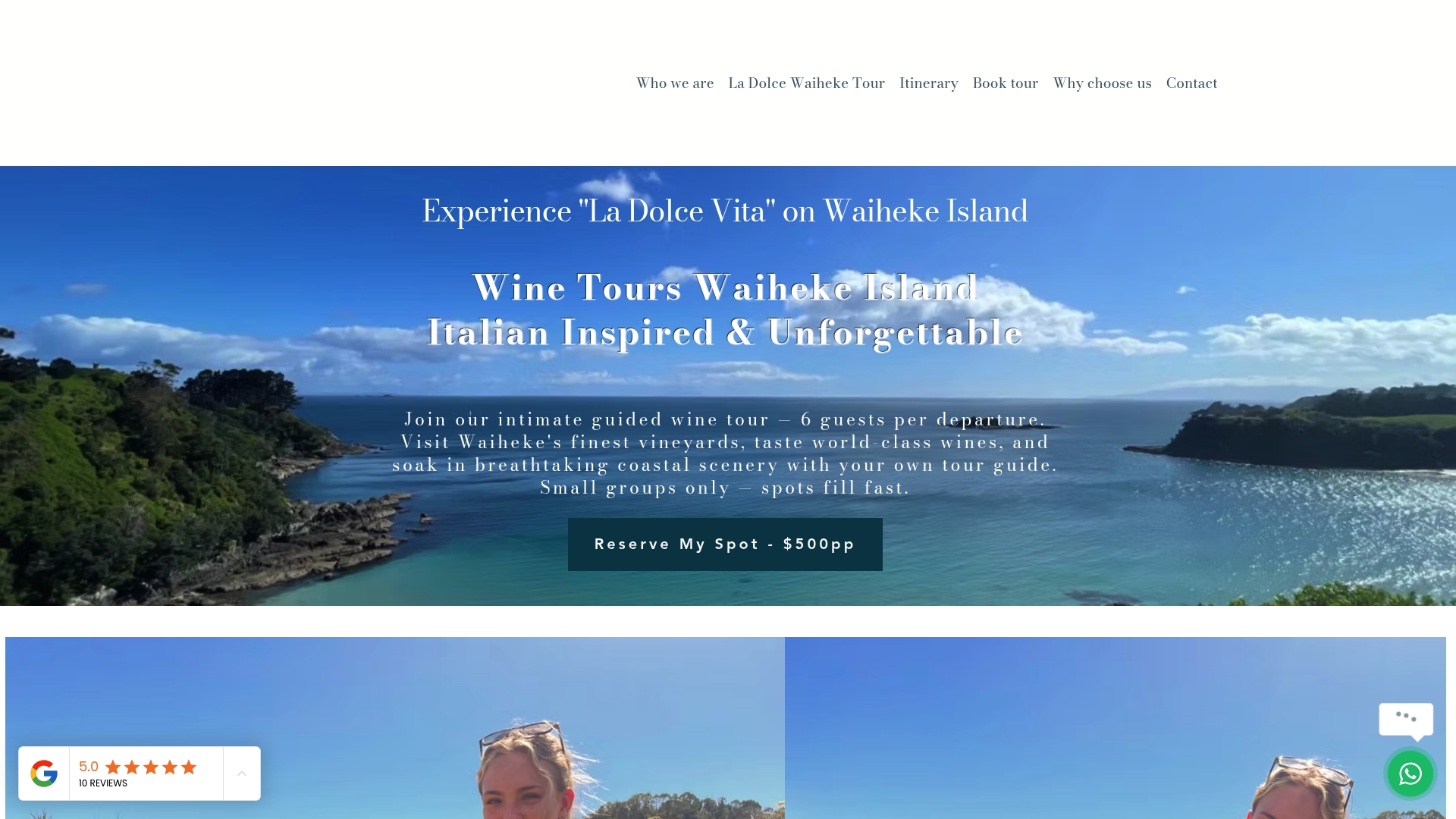
A typical day includes stops at boutique vineyards chosen for their character rather than their size, a gourmet meal built around what is in season, and a guide who fills in the local stories most visitors never hear. Groups stay capped at six, so plans stay flexible enough to skip a stop you are not into or linger longer at one you love. Private chef dining can be added for guests staying at select accommodations, turning one tour into a full weekend centerpiece. If wine pairing for a private dinner is part of your plan, a few practical pairing tips go a long way before your guide takes over. Read more about the full-day format on Waiheke if you want the details before deciding.
Pro Tip: Small-group dates fill first for weekends in summer, so lock in a spot two to three weeks ahead if you want a specific Saturday.
Frequently Asked Questions
How do I find unique weekend activities locals actually recommend, not just tourist spots? Check community Facebook groups and neighborhood noticeboards before search engines. Locals post events there days before they hit any official calendar, and the comments usually tell you if a spot got overcrowded or changed hands.
What’s a good low-cost unique weekend activity for a solo outing? A night wildlife walk or a solo paddle at dawn costs next to nothing and rewards you with quieter trails and better wildlife sightings than a midday visit.
How far ahead should I book a small-group wine tour? Aim for two to three weeks out during summer weekends, since groups capped at six fill quickly. Shoulder-season dates are more forgiving and can often be booked within a few days.
Are foraging or fiber-arts workshops safe for kids? Most posted listings note an age limit and required registration. Confirm both details with the host directly, since capacity and safety gear vary by session.
What should I bring on a marsh-maze paddleboarding trip? A dry bag, sunscreen, water shoes, and a whistle cover the basics. Most operators include the board, paddle, and a laminated route map in the admission fee.
Sources
Recommended
Comments