
What Umami Means for Smarter Food Pairing
- The Italian on Waiheke - Tours & Transfers

- 3 days ago
- 11 min read
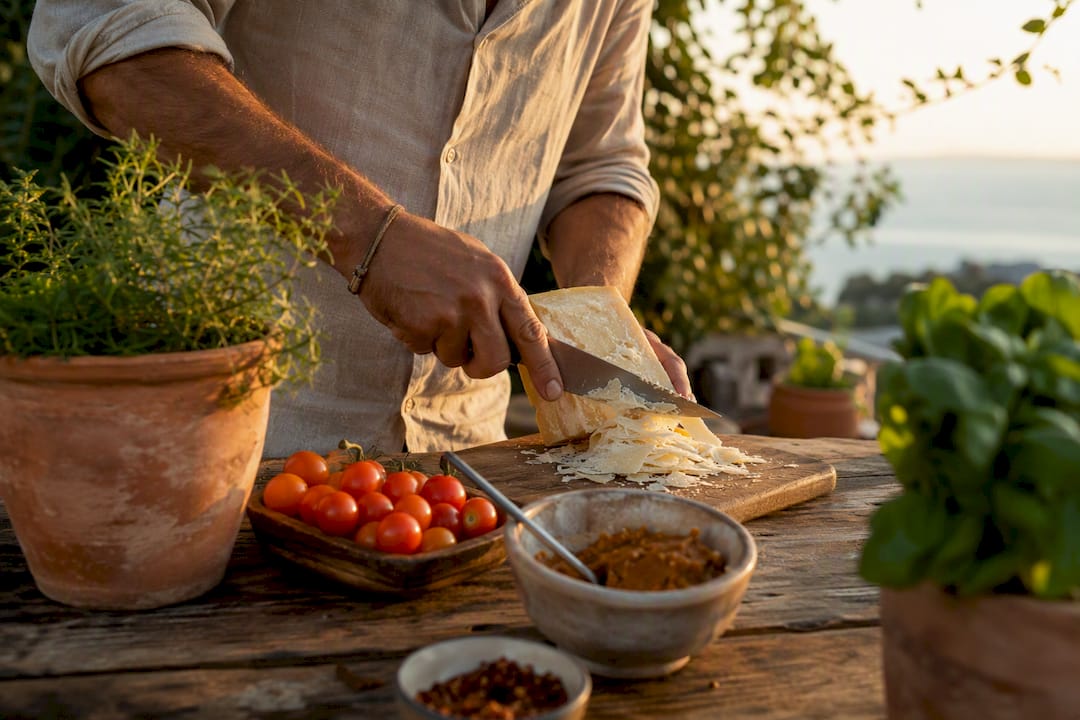
Umami is a pleasant, savory taste triggered by free glutamate and amplified by nucleotides like inosinate and guanylate, and the pairing rule that flows from it is simple: put a glutamate-rich ingredient next to a nucleotide-rich one, and the savoriness doesn’t just add up, it multiplies. That’s the whole trick. Once you know which ingredients carry which compound, you can build combinations that taste far more satisfying than either component alone.
Two easy tests to run this weekend:
Toss shaved parmesan (glutamate) into a mushroom risotto (guanylate) and taste the jump.
Finish a tomato sauce with a splash of fish sauce (nucleotides) instead of just salt.
Key Takeaways
Umami pairing works by matching glutamate-rich ingredients with nucleotide-rich ones to trigger a receptor-level synergy that multiplies savoriness rather than simply adding to it.
Point | Details |
Definition matters | Umami is a distinct taste from salt, driven by glutamate and amplified by inosinate or guanylate. |
Synergy multiplies flavor | Pairing glutamate sources with nucleotide sources produces savoriness beyond simple addition. |
Stack, don’t dominate | Combine several moderate umami ingredients instead of relying on one strong source. |
Balance with contrast | Use acidity, sweetness, or crunch to keep umami-heavy dishes from tasting flat or heavy. |
Whole foods beat isolation | Fermented and aged ingredients deliver glutamate plus extra flavor compounds MSG alone lacks. |
Table of Contents
What Does Umami Mean in Food Pairing?
Umami means “delicious taste,” and it earned its name from Japanese chemist Dr. Kikunae Ikeda, who isolated glutamate from kombu broth in 1908 and realized the savory quality he was tasting didn’t fit the four recognized tastes of the time. He was right: umami is now accepted as the fifth basic taste, distinct from salt even though the two often show up together in the same dish.
Describing it is trickier than tasting it. Cooks usually reach for words like brothy, meaty, or coating, since umami tends to linger on the tongue longer than sweet or sour sensations do. That lingering quality comes from three compounds working in the mouth: glutamate (an amino acid found in aged and fermented foods), inosinate or IMP (concentrated in meat and fish), and guanylate or GMP (abundant in dried mushrooms). A 200-gram wedge of aged parmesan, for instance, carries far more free glutamate than the same weight of fresh milk, because aging breaks proteins down into their savory components.
The Science Behind Umami Synergy in Pairings
Here’s the part most home cooks never learn, and it changes how you should think about combining ingredients. Umami isn’t sensed by one receptor doing simple addition. It’s picked up by a receptor pair called T1R1/T1R3, and when free glutamate and a 5’-ribonucleotide hit that receptor together, the signal doesn’t just add up. It multiplies. Researchers measuring this effect found the combined savoriness runs well above what you’d predict from either compound alone, a finding documented in Scientific Reports.
This explains dishes that seem to punch above their ingredient list:
Japanese dashi works because kombu supplies glutamate and dried bonito (katsuobushi) supplies inosinate, and neither alone tastes as deep as the combination.
A tomato and beef ragù pairs a glutamate-heavy vegetable with a nucleotide-rich protein.
Parmesan scattered over a pork chop layers aged glutamate onto meat-derived inosinate.
The synergy isn’t limited to what’s on the same fork. Because glutamate and nucleotides linger in saliva, the effect can carry across a sequence of bites or sips, which is why oysters (naturally rich in both compounds) taste unusually complete alongside a champagne that’s had extended yeast contact.
That’s a real mechanism, not folklore, and it means you can plan a menu’s sequence with the same intent you’d use to plan its ingredients.
Rules Chefs Use to Balance and Build Umami
Professional kitchens treat umami as a lever, not a garnish. A few working principles show up again and again once you start looking for them.
Stack moderate sources instead of leaning on one dominant one. A dish built from parmesan, mushroom, and a little cured ham reads as complex; a dish built from MSG alone reads as flat and one-note.
Pair glutamate with nucleotides on purpose. If your base ingredient is glutamate-heavy (tomato, aged cheese, soy sauce), look for a nucleotide partner (meat, fish, dried mushroom) to trigger the multiplied effect described above.
Cut umami with acid, sweetness, or crunch. A dish that’s all savory depth without contrast tastes heavy. A squeeze of lemon or a handful of pickled vegetables resets the palate between rich bites.
Use umami to justify less salt. Because the receptor response is strong, a well-built umami base lets you pull back on sodium without the dish tasting thin, a swap Kikkoman’s culinary team recommends for exactly this reason.
Decide whether umami is your base or your finish. A long-simmered stock builds umami into the foundation of a dish; a splash of fish sauce or a shaving of bonito added at the end sharpens what’s already there.
Pro Tip: Add concentrated umami ingredients like soy sauce or dried mushroom soak liquid in small increments and taste as you go. It’s easy to oversaturate a dish past the point where more savoriness reads as depth rather than one flat note.
Umami Pairings Worth Testing in Your Own Kitchen
Some combinations have earned their reputation because the chemistry backs them up, not just tradition.
Kombu and katsuobushi: the original synergy pairing, glutamate meeting inosinate in dashi.
Tomato and beef: a garden staple leaning on animal-derived nucleotides for lift.
Parmesan and prosciutto, or parmesan and white beans for a vegetarian version: aged glutamate against cured or legume-based depth.
Miso and mushrooms: two fermented, guanylate-rich ingredients that build a savory base without any meat.
Dried shiitake and tomato: the same synergy that powers dashi recreated with dried mushroom’s guanylate standing in for bonito.
Nutritional yeast on roasted vegetables: a vegan glutamate boost for anything that came out of the oven a little plain.
For drinks, the oyster and champagne pairing mentioned earlier is worth trying deliberately rather than by accident. Order the two together:
Taste the oyster alone and note the brininess and coating finish.
Take a sip of a yeast-contact champagne (look for “sur lie” aging on the label).
Taste the oyster again, then the champagne again, and notice how each sip after the first tastes rounder than it did on its own.
That’s sequential synergy at work, and it’s a party trick worth having in your back pocket.
Techniques That Build Umami Without Extra Salt
Getting more savoriness out of an ingredient usually comes down to breaking proteins down into their free amino acids, and several kitchen techniques do exactly that.
Fermentation turns soybeans into miso and soy sauce, unlocking glutamate that wasn’t accessible in the raw bean.
Aging does the same to cheese and cured meats, which is why a two-year parmesan tastes far more savory than fresh mozzarella.
Reduction concentrates whatever glutamate and nucleotides were already in a stock or sauce by cooking off the water around them.
Drying mushrooms and tomatoes intensifies their flavor compounds into a smaller, denser package.
Slow cooking breaks down collagen and proteins in meat over time, releasing more inosinate than a quick sear would.
Small finishing moves matter too. Drop a parmesan rind into a simmering soup and pull it before serving. Add a splash of traditionally brewed soy sauce or fish sauce right at the end, off heat, so the flavor stays bright instead of cooking flat. Soak dried shiitake in warm water for twenty minutes and use that soaking liquid as a stock base instead of throwing it out. None of these moves require a special ingredient list, just a habit of reaching for umami before reaching for the salt shaker.
Why Umami Makes Food More Satisfying to Eat
Umami does more than add flavor. It changes how full and satisfied a dish feels, which is part of why brothy, meaty dishes read as comforting in a way that a purely sweet or salty dish rarely does. The lingering, coating mouthfeel that defines umami keeps flavor present on the tongue after swallowing, and that persistence appears to play a role in how satisfying a meal feels, not just how it tastes in the moment.
This has practical value at the table. A dish with well-built umami depth tends to need less volume to feel complete, because the flavor signal itself is stronger and stays around longer. That’s part of why a small bowl of good dashi-based soup can feel more substantial than a larger bowl of something thinner, even at a lower calorie count. It’s also why chefs building tasting menus often place an umami-forward course early or in the middle of a meal: it primes appetite rather than dulling it, unlike very rich, fatty courses that can shut hunger down.
For home cooks, the takeaway is straightforward. If a dish tastes flat despite having enough salt and enough fat, the missing piece is often umami, not more seasoning. A dash of soy sauce, a handful of dried mushroom, or a spoonful of miso stirred into a sauce can round out a dish in a way that salt alone cannot, because it’s addressing a different taste receptor entirely.
How Umami Plays With Sourness, Bitterness, and Sweetness
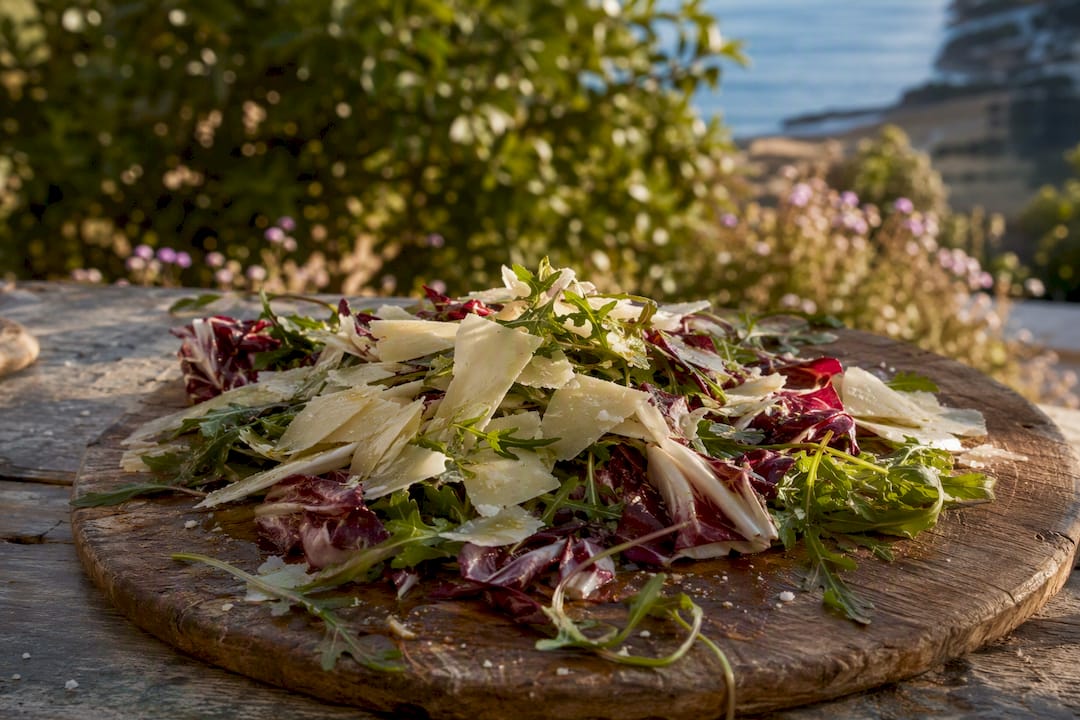
Most people learn umami as “the fifth taste that isn’t salt,” but its more interesting relationships are with sourness and bitterness, not sodium. Umami tends to soften bitterness. That’s part of why parmesan works so well with bitter greens like radicchio or arugula: the cheese’s glutamate rounds off the vegetable’s sharper edge rather than masking it outright. Chefs use this deliberately in dishes that would otherwise taste one-note bitter.
Sourness and umami have almost the opposite relationship: they sharpen each other through contrast rather than blending together. A ponzu sauce, built from soy sauce (umami) and citrus juice (acid), works precisely because the two tastes don’t cancel out. Instead, the acid keeps the dish from tasting heavy while the umami keeps it from tasting thin. The same logic explains why a squeeze of lemon over a rich, savory braise perks the whole dish up instead of fighting it.
Sweetness, meanwhile, tends to amplify umami’s savory perception rather than compete with it, which is why a touch of sugar or mirin in a soy-based glaze doesn’t read as “dessert sweet.” It reads as rounder and more complete. Understanding these three relationships gives you more control at the stove than memorizing ingredient lists ever will, because you’re adjusting a dish based on which taste is missing rather than guessing.
Misconceptions That Trip Up Even Careful Cooks
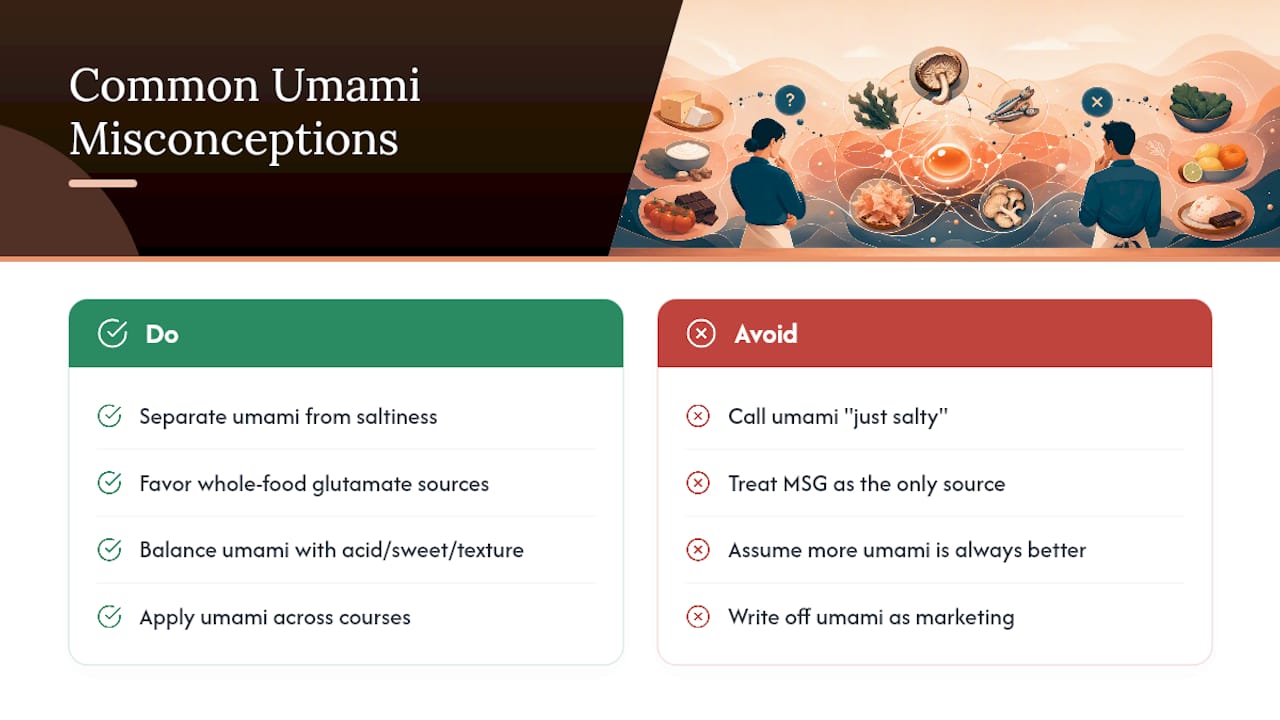
The biggest misconception is treating umami as a synonym for “salty.” They’re separate taste pathways entirely, detected by different receptors, and a dish can be intensely umami with very little sodium in it at all. A cup of unsalted mushroom broth carries real umami depth without a grain of salt.
A second misconception: that umami equals MSG, full stop. MSG is one source of glutamate, a purified and isolated one, but it’s far from the only source or even the most interesting one. Whole foods like aged cheeses, tomatoes, and mushrooms bring glutamate bundled with dozens of other flavor and aromatic compounds that MSG simply doesn’t carry, which is why a dish built on parmesan tastes more complex than the same dish spiked with pure MSG.
A third misconception: that more umami is always better. Past a certain point, an all-umami dish starts to taste flat and cloying rather than deep, which is exactly why the balancing principles above (acid, sweetness, texture) matter as much as the umami itself. A fourth: that umami is a modern marketing invention. It’s a scientifically recognized basic taste with a documented discovery date and receptor biology behind it, not a food-trend buzzword. And finally, some cooks assume umami only applies to savory courses. Aged balsamic, certain dried fruits, and even good dark chocolate carry measurable glutamate, which is part of why a cheese course at the end of a meal often feels so satisfying.
MSG, Glutamate Sensitivity, and What the Debate Actually Says
MSG is chemically identical to the glutamate your body already produces and encounters constantly in food, according to Healthline’s breakdown of umami-rich foods. It binds the same T1R1/T1R3 receptors as the glutamate naturally present in parmesan, soy sauce, or a ripe tomato. The decades-old fear around MSG causing headaches or reactions in the general population has not held up well under scrutiny, though a small subset of people do report sensitivity to large doses consumed without food.
If you’re one of those people, or simply prefer to skip isolated MSG, whole-food umami sources solve the practical problem without asking you to give up savory depth. Miso, kombu, dried mushrooms, aged cheese, and traditionally brewed soy sauce all deliver glutamate bundled with additional flavor compounds that MSG lacks on its own. That’s not a workaround, it’s arguably the better cooking choice regardless of sensitivity, since whole ingredients bring complexity that a single purified compound cannot replicate.
The practical guidance is simple: if MSG doesn’t bother you, it’s a legitimate, well-studied seasoning tool. If it does, or if you’d rather build flavor from ingredients than additives, lean on the fermented and aged sources covered earlier in this article. Either path gets you to the same destination, a more savory, more satisfying plate.
Bringing Umami Pairing to the Table on Waiheke
When Luca plans a tasting sequence for a small group on Waiheke, umami synergy dictates the order almost as much as the wine list does. A course built on aged parmesan or a slow-reduced tomato base gets seated next to a wine with enough structure to meet that savoriness head-on, rather than a delicate white that would simply disappear against it. The goal is always the same multiplied effect described earlier: let one course’s glutamate meet the next pour’s character instead of fighting it.
On these tours, that often plays out through boutique vineyard selections paired against dishes built with regional Italian technique, exactly the kind of layering explored in Theitalianonwaiheke’s approach to wine-and-food tradition. Guests curious about how far this pairing philosophy can go, especially at the Michelin-recognized properties on the island, get a firsthand look at how deliberate umami sequencing shapes a memorable multi-course afternoon.
Ready to Taste Umami Synergy in Action?
Reading about glutamate and nucleotide synergy only gets you so far. The real education happens at the table, watching a savory dish meet the right wine and feeling that multiplied effect firsthand instead of imagining it. Theitalianonwaiheke builds small-group tours around exactly this kind of deliberate pairing, keeping groups capped at six so every course and pour gets real attention rather than a rushed tasting note.
Whether you’re chasing the oyster-and-champagne trick or want to see how a Michelin-adjacent dish handles a bold Waiheke red, booking a guided wine and food tour puts the science in this article directly on your plate. Explore the full experience and check available dates to build your own umami-driven afternoon on the island.
Frequently Asked Questions
What does umami mean in food pairing? Umami in food pairing refers to deliberately combining glutamate-rich ingredients with nucleotide-rich ones to trigger a synergistic, multiplied savory effect rather than a simple additive one.
Is umami the same as salty? No. Umami and saltiness are detected through separate taste receptors, and a dish can carry strong umami depth with very little sodium.
What foods are naturally highest in umami? Aged parmesan, soy sauce, miso, kombu, dried shiitake, tomatoes, and cured meats rank among the most reliable umami sources cooks reach for.
Does MSG work the same way as natural umami? Chemically, yes. MSG activates the same receptors as glutamate found in whole foods, though whole ingredients bring additional flavor compounds MSG doesn’t carry on its own.
Can umami help me use less salt? Yes. Building a dish’s umami base through fermented or aged ingredients lets you reduce added sodium while keeping the dish satisfying.
Sources
Recommended
Comments