
Winter Wine Tasting on Waiheke: What Actually Works
- The Italian on Waiheke - Tours & Transfers

- 1 day ago
- 6 min read
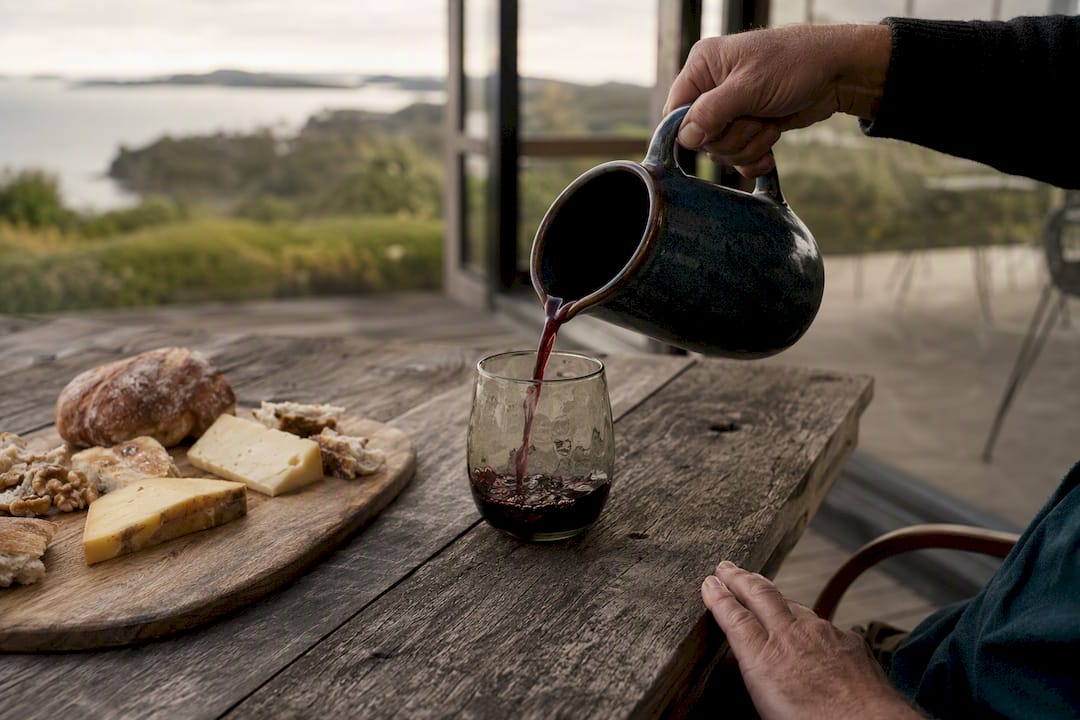
Book a small-group guided tour, like The Italian On Waiheke, or plan a visit around the Waiheke Distilling Co. Winter Collective if you want winter wine tasting on Waiheke to actually go well. Winter favors structured reds and sheltered, indoor tasting formats over sprawling outdoor vineyard walks, and small groups sidestep the scheduling chaos that bigger coach tours run into when the weather turns.
Best for flexibility and food pairing: a private small-group tour that adapts its route around rain
Best for variety in one stop: the seasonal Winter Collective, running Wednesday to Sunday
Next step: check current dates or reserve a tour before winter weekends fill up
Key Takeaways
A well-planned winter wine day on Waiheke pairs a weatherproof, small-group format with structured reds and realistic ferry buffers.
Point | Details |
Choose indoor-first formats | Prioritize the Winter Collective or cellar doors with sheltered tasting rooms over open-air itineraries. |
Drink structured reds | Syrah and Cabernet-dominant blends suit winter’s cooler air and richer, slow-cooked food pairings. |
Build ferry buffers | Allow 30 to 45 minutes around Fullers360 sailings from Matiatia, since winter schedules run fewer trips. |
Book cellar-door slots early | Winter Collective hours and popular tastings fill on weekends despite the quieter season. |
Go small-group for flexibility | Theitalianonwaiheke keeps groups to six people, so guides can adapt the day around weather on the spot. |
Table of Contents
Where to Taste Wine Indoors on Waiheke in Winter
Winter on Waiheke means shorter days, cooler air off the Hauraki Gulf, and the occasional squall rolling through by lunchtime. The island’s cellar doors and collaborative events are built around exactly that reality.
The standout seasonal event is the Winter Collective, a distillery-hosted showcase that runs Wednesday through Sunday, 11am to 5pm, during the winter months. It brings several boutique producers together under one roof, so you get guided tasting flights, a distillery tour, and premium tasting boards without moving between properties in the rain. The Waiheke Wine Growers Association describes it as a first-of-its-kind artisan collaboration, and it’s a genuinely practical answer to a real winter problem: most vineyard tasting rooms are gorgeous, but they weren’t designed for foot traffic in a downpour.
Beyond the Collective, most established cellar doors keep regular winter hours and simply move tastings indoors. What changes:
Reduced outdoor seating, more emphasis on the tasting room itself
Shorter operating windows on some days, so calling ahead matters more than in summer
Occasional exclusive winter-only releases poured only at the cellar door
Pro Tip: Call or check the website the morning of your visit. Winter hours shift more than summer ones, and a five-minute check saves you a wasted ferry crossing.
Which Waiheke Wines Suit a Cold Day
Waiheke’s reputation rests on structured reds, and winter is when they make the most sense in a glass. The island’s warm, wind-sheltered mesoclimates push Syrah and Bordeaux-style blends toward real depth and tannin, the kind of wine that wants a jacket-weather afternoon rather than a beach picnic. The Real Review has singled out the island’s Cabernet-dominant blends specifically for their winter suitability and food-pairing strength.
Look for:
Syrah — peppery, medium to full body, pairs with roasted lamb or venison
Cabernet-dominant blends — firm tannin and dark fruit, built for braises and aged cheddar
Merlot-led blends — softer texture, good with duck or mushroom-based pasta
Te Motu’s 2020 release, a Cabernet Sauvignon-dominant flagship aged extensively in French oak, is a good example of the cellar-worthy style the island does best. Ask which winter-only pours or library releases are available. Cellar doors often keep back small parcels specifically for the quieter season, and a curated food and wine framework like the one outlined by Wild Foodz helps explain why pairing structured reds with hearty, slow-cooked dishes works so well in practice.
How Do You Plan a Winter Wine-Tasting Day on Waiheke?
Winter logistics on Waiheke aren’t complicated, but skipping the planning turns a relaxed day into a rushed one.
Check the ferry timetable first. Fullers360’s winter schedule runs fewer sailings than peak summer, so confirm your outbound and return times from Matiatia before booking anything else.
Build in a buffer. Give yourself 30 to 45 minutes of slack around ferry connections, especially for the return trip, since wet weather can slow loading and taxi availability at the wharf.
Pick your on-island transport. A private small-group transfer beats a hop-on hop-off bus in winter, mainly because you’re not standing at an open-air stop waiting between routes.
Book ahead. Winter Collective slots and small-group tour seats fill up on weekends even in the off-season, so reserve a few days out rather than same-day.
On pricing, cellar-door tastings alone typically run in the NZ$22 to NZ$31 range per flight, based on Mudbrick’s published tasting menu. A full guided small-group tour with transport, multiple tastings, and lunch costs considerably more but removes the logistics entirely.
Confirm cancellation and weather-rebooking policies before you pay
Ask whether the tour has an indoor contingency plan built in
Check that mobility needs (stairs, gravel paths) are compatible with your chosen cellar doors
A Sample Winter Day With a Small Group
Here’s roughly how a well-run winter itinerary unfolds, based on how Waiheke tour operators structure their days around the season.
Morning: Arrive at Matiatia on an early ferry, met by your guide for a sheltered welcome tasting, either at a cellar door with a fireplace or at the Winter Collective venue itself.
Midday: A warm seasonal lunch, think braised lamb shoulder or a mushroom risotto, paired with a Syrah or Merlot-led blend, followed by time to browse cellar-door exclusives.
Afternoon: A private distillery tour or a second indoor tasting, timed with a buffer before the return ferry.
Experienced guides schedule the sheltered tasting first, keep the midday meal indoors no matter what, and only add a scenic outdoor stop if the weather actually cooperates. That order of operations is what keeps a winter day from unraveling.
Groups typically stay small, up to six people, which means the guide can genuinely shift the plan if a squall rolls through. Inclusions usually cover transport, all tastings, and lunch, so there’s no separate math to do at each stop.
What to Pack for a Winter Tasting Day
Waiheke winters are mild by most standards, but the wind off the water cuts through a light jacket fast. Layers work better than one heavy coat, and a waterproof outer shell earns its space in your bag. Comfortable, closed shoes matter more than style points since some cellar-door paths are gravel or slightly uneven after rain.
Pack a compact umbrella and a reusable water bottle
Carry a card or cash for cellar-door purchases, since not every producer takes both
Confirm your booking includes indoor seating and flag any dietary needs in advance
Pro Tip: Tell your guide about dietary restrictions when you book, not on the day. Small-group lunches are often prepared ahead, and last-minute changes are harder to accommodate than they sound.
Why Winter Might Be the Better Season to Taste Wine on Waiheke
Most travel advice treats winter as the season you tolerate on Waiheke rather than plan around, and that’s backwards. The wines the island does best, structured Syrah and Cabernet-dominant blends, were never built for a hot afternoon on a sunny terrace. They want a cool room, a hearty plate, and time to open up, which is exactly what a wet Tuesday in July gives you.
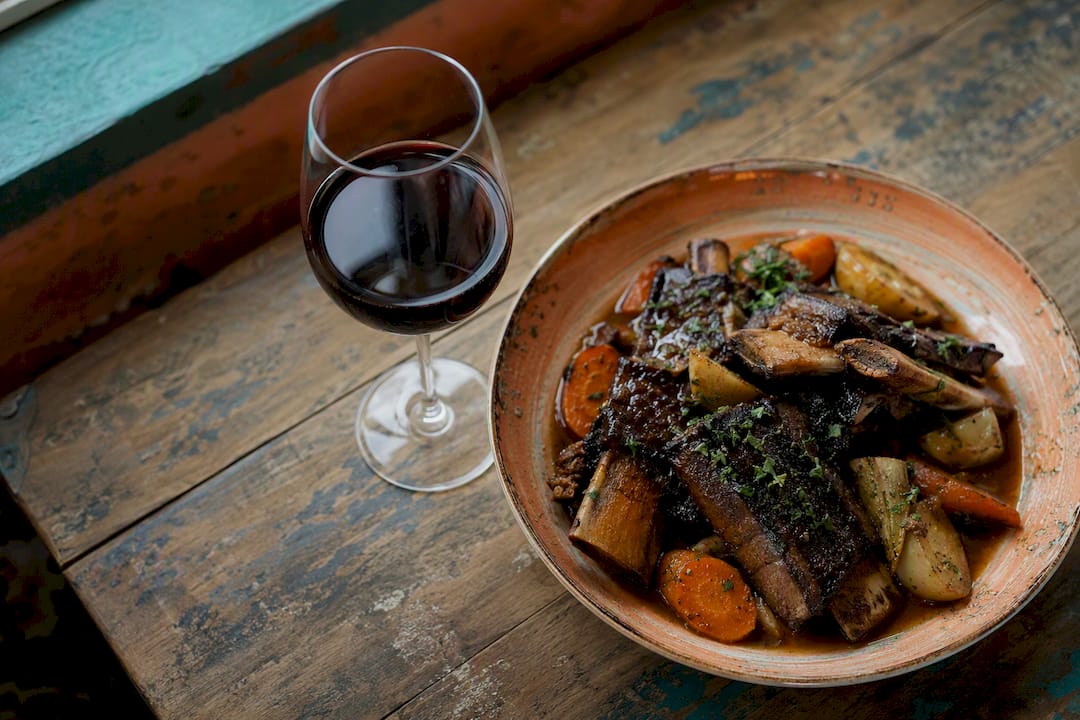
The bigger gap I see in conventional advice is the assumption that summer’s larger tour formats simply shrink for winter. They don’t scale down well. A coach tour built for good weather and outdoor lingering doesn’t have a real contingency plan when a front moves through, and that’s when a fixed itinerary becomes a liability instead of a comfort.
What should change first for a reader deciding right now: pick the format before you pick the winery. A small guided group or the Winter Collective’s indoor setup solves the actual seasonal problem. The wine list is secondary to that decision, not the other way around.
— Luca
Book a Winter Wine Tour That Actually Works Around the Weather
Theitalianonwaiheke built its winter tours around the exact problem this guide keeps circling back to: bigger operators can’t reroute around a rain front, but a group of six can. Every tour keeps guests together for the whole day, with an indoor-first itinerary, chef-led pairings matched to the season’s structured reds, and private transport that skips the wait at open-air bus stops.
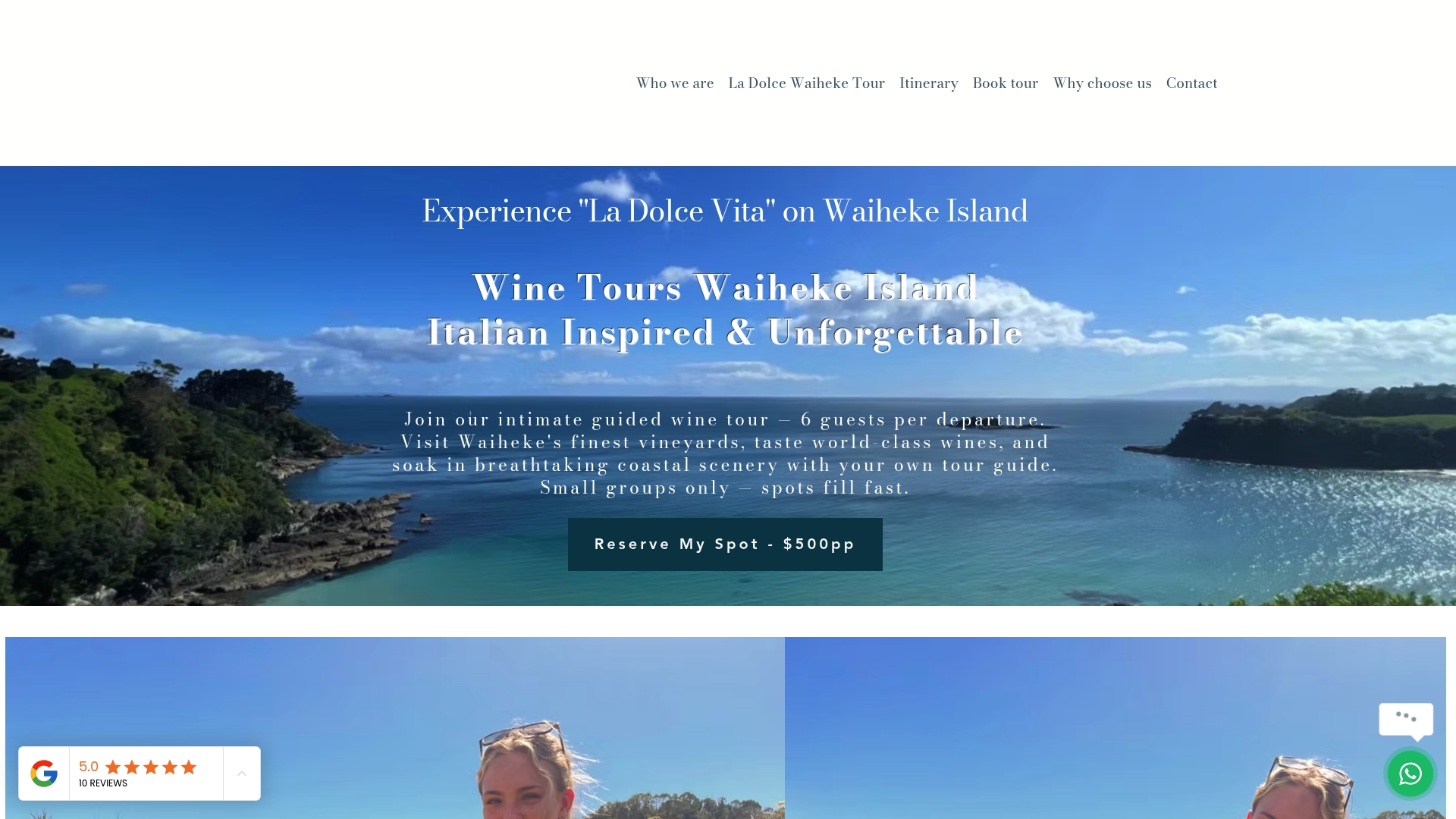
That flexibility matters more in July than in January. If the sheltered venue you’d planned needs swapping for another, your guide handles it on the spot instead of leaving you standing in the wind at Matiatia. Lunch pairings shift with what’s actually pouring that week at each boutique cellar door, and the group stays small enough that everyone actually talks to the winemaker instead of hovering at the back of a crowd.
Winter weekends book out faster than the calm weather suggests they would. Reserve your date now or check current availability online, and aim to book at least a week ahead if you want a specific Saturday.
Sources
Recommended
Comments