
International Visitor Wine Tour Essentials: What to Pack
- The Italian on Waiheke - Tours & Transfers

- 5 days ago
- 9 min read
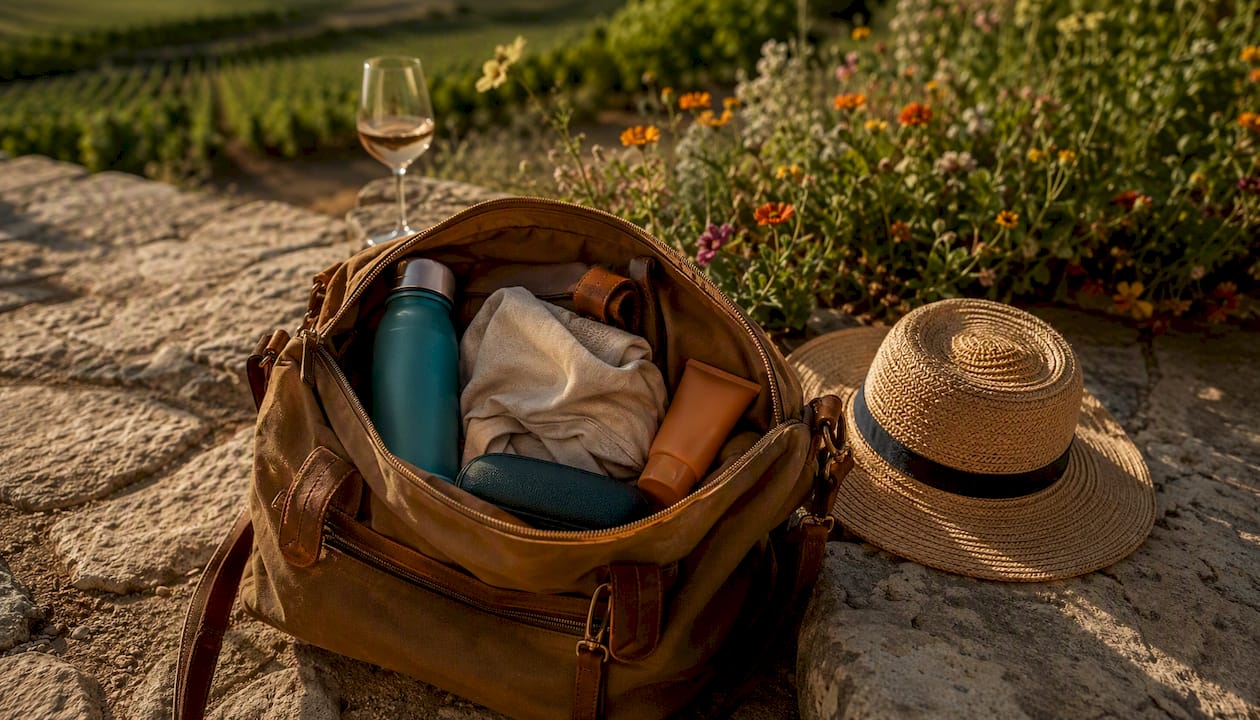
Pack a small day bag (water bottle, notebook, sunscreen, cash), dress in layers for cool cellars, wear closed-toe shoes, and cap your day at a few wineries. That single planning rule helps avoid common problems for first-time visitors: tasting fatigue, blown schedules, and bottles that never make it home in one piece.
Here’s the day-bag checklist worth building around:
Reusable water bottle
Notebook or tasting app (or just your phone camera for labels)
Sunscreen, sunglasses, a hat
Small bills or local cash for smaller estates
Passport copy and booking confirmations (printed and digital)
And the pacing math that makes the rest work: most tastings and cellar tours run 45 to 90 minutes each, once you factor in the walk, the cellar visit, and the inevitable conversation with whoever’s pouring. Do the arithmetic on a six-stop day and you’ll see why it falls apart by 3 p.m.
Key Takeaways
A comfortable, low-stress wine tour comes down to three things: pack light and in layers, cap your day at two to three wineries, and confirm every reservation before you travel.
Point | Details |
Pack a simple day bag | Water bottle, notebook or tasting app, sunscreen, and small cash cover most needs. |
Dress in layers | Cellar temperatures run around 12 to 15°C, so a light jacket beats one heavy coat. |
Cap your day at 2 to 3 stops | Tastings run 45 to 90 minutes each, and more stops means rushed pours and palate fatigue. |
Mind tasting-room etiquette | Skip strong perfume, use the spit bucket, and ask genuine questions about the wine. |
Book with a guided option | Theitalianonwaiheke handles reservations, transport, and vineyard access for small groups of up to six. |
Table of Contents
Comfortable Clothing and Footwear for a Wine Tour
Dress for two climates in one day: warm outside, cool underground. Cellar rooms typically sit at around 12 to 15°C (54 to 59°F), which feels bracing after twenty minutes in vineyard sun. A light jacket or cardigan you can shed and re-layer beats one heavy coat that’s either too much or not enough.
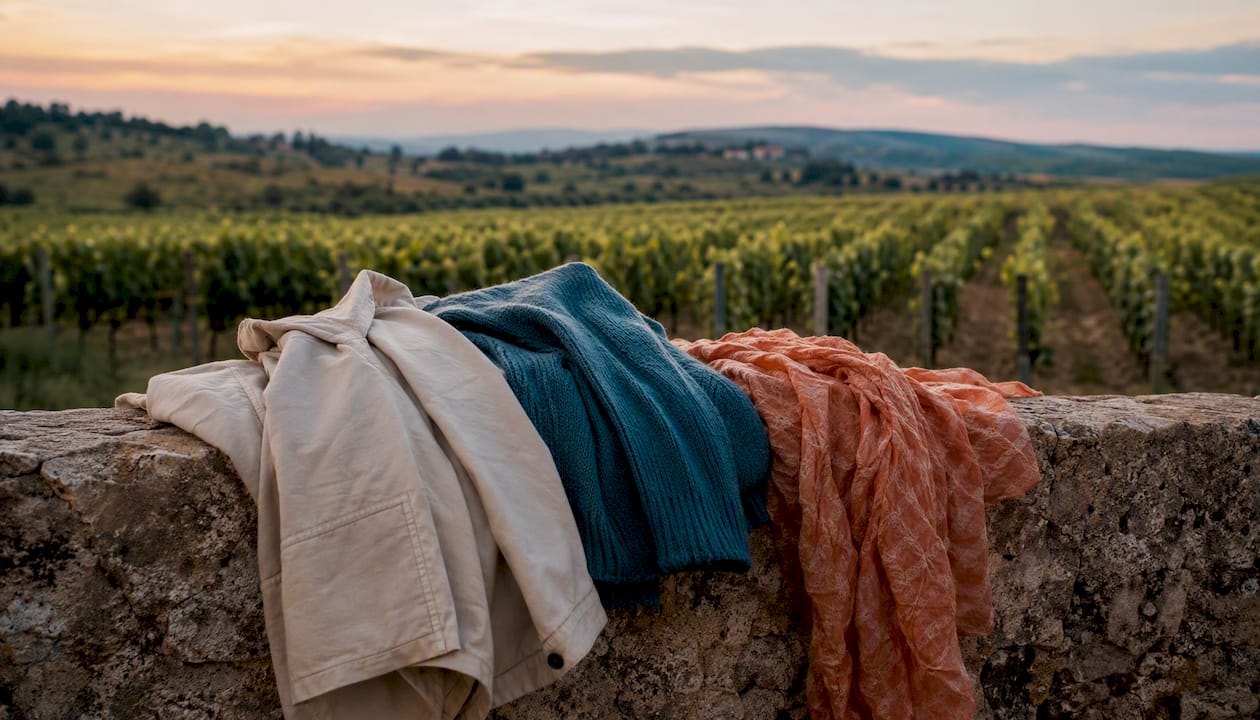
Footwear matters more than most travelers expect. Vineyard paths are often gravel, uneven, or muddy after rain, and cellar floors can be slick stone. Closed-toe shoes with real tread work; sandals, flip-flops, and anything with a heel do not. Save the nice sandals for dinner.
A few more practical notes on what to wear:
Choose darker colors or patterns that hide the occasional wine splash better than white or pastel.
Pick breathable fabrics if you’re walking between rows in warm weather.
Skip heavy cologne or perfume. It interferes with your own sense of smell and everyone else’s around the tasting bench.
Bring a light scarf or wrap. Cellar rooms and shaded courtyards get cooler than you’d guess.
Pro Tip: Layer with a packable vest or light fleece rather than a bulky sweater. You’ll swap temperature zones five or six times a day, and something you can stuff in your day bag beats something you have to carry over your arm.
What to Pack in Your Day Bag for Tastings
Your day bag is doing one job: keeping you comfortable and clear-headed between pours. A reusable water bottle is the single most useful item in it, and not just for hydration. Sipping water between wines resets your palate faster than anything else, and it slows down how quickly the day’s alcohol catches up with you.
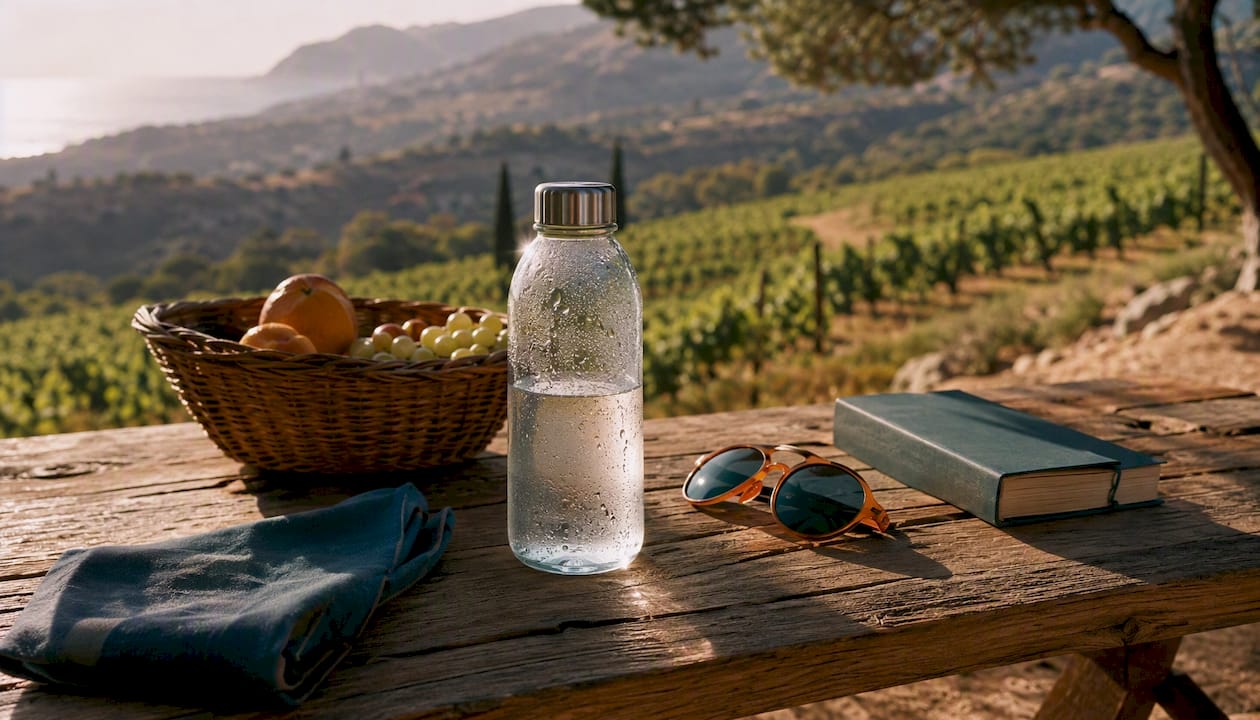
Palate cleansers help too. Plain crackers or a small piece of bread work better than mints, which can clash with wine’s flavor. Some visitors bring a small notebook or use a tasting app to jot quick notes; if that feels like homework, just photograph the label and add a one-word reaction later. You won’t remember which Syrah was the standout by winery number three without some kind of record.
Round out the bag with these:
Sunscreen and sunglasses, since most vineyard walking happens outdoors and unshaded.
A stain-remover pen, because red wine on a white shirt is a near-certainty at some point.
A corkscrew, but only in checked luggage, never in a carry-on, since it will get confiscated at security.
A light scarf or hat for temperature swings between cellar and courtyard.
Cash in small denominations for wineries that don’t take cards or charge a tasting fee up front.
What Documents and Payments Do You Need?
Before you worry about clothes and snacks, get the paperwork sorted. Check your passport’s expiration date well before departure. Many countries require at least six months of validity remaining, and some wineries and border agents will flag it if you cut it close.
Pack a small folder, physical or digital, with your travel insurance details, booking confirmations, and passport copy all in one place. Wineries that require prepaid reservations will sometimes ask you to show the confirmation, and having it on your phone (with a screenshot backup in case service drops) saves an awkward scramble.
On payments: cards are widely accepted at larger, established estates, but smaller or family-run producers sometimes prefer cash, particularly outside major cities. Carrying some local-currency small bills avoids the “sorry, cash only” surprise. Tipping customs vary by region and aren’t universal in wine tasting the way they are in restaurants, so it’s worth asking your guide or host directly rather than guessing.
Confirm passport validity and any visa requirements before you book flights.
Save booking confirmations in both digital and printed form.
Carry a small amount of local cash alongside your usual cards.
Save a local emergency contact number and a translation app on your phone.
How Should You Plan Your Tasting Day?
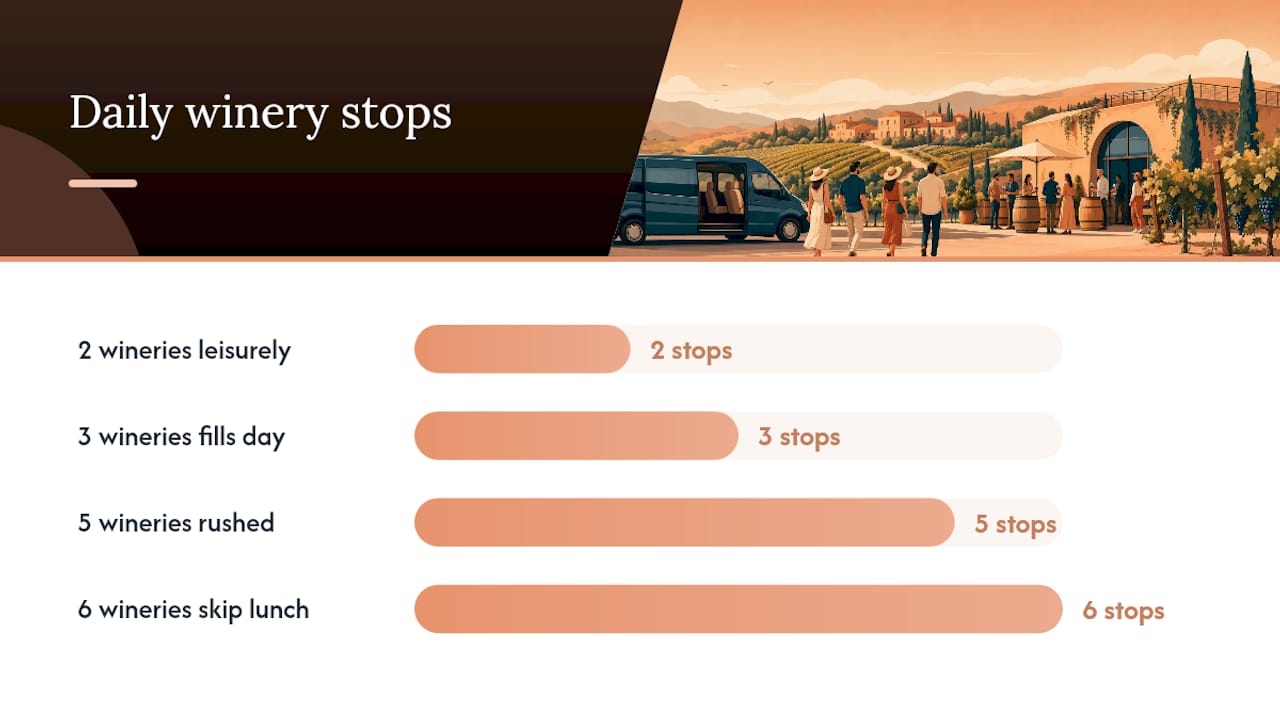
Two to three wineries. That’s the number experienced planners keep coming back to, and it’s not arbitrary. At 45 to 90 minutes per stop, plus driving time between locations, three visits already fills a comfortable day. Push to five or six and you’re rushing through pours that deserve attention, or skipping lunch entirely, which is its own mistake.
Book ahead. In popular wine regions, reserving appointments two to four weeks in advance is standard practice, and some estates require it outright rather than accepting walk-ins. It’s worth checking directly whether a winery is appointment-only or drop-in friendly before you build your itinerary around it, since reservation requirements have tightened at many properties in recent years.
Etiquette translates across most wine regions, but a few rules are close to universal:
Skip the strong perfume or cologne; it dulls everyone’s sense of smell, including yours.
Use the spit bucket. Professional tasters do it constantly, and nobody will judge you for it across five or six pours.
Ask real questions. Winemakers respond to genuine curiosity about their process, their soil, or their vintage differently than they do to silence.
Don’t feel obligated to buy at every stop, but do expect that some tasting fees are waived with a purchase.
Pro Tip: Block out a proper sit-down lunch between your second and third stop. It’s not just a meal, it’s a palate reset that makes the afternoon tasting noticeably sharper.
Buying and Transporting Wine Purchases
Decide before you fly whether you’re carrying bottles home or shipping them. For a bottle or two, a padded wine sleeve or collapsible wine carrier packed in checked luggage is usually the simplest option, though airlines and customs rules on liquids and alcohol volume vary by destination, so check your carrier’s policy beforehand.
For anything beyond a case, ask the winery directly about their shipping partners. Many established estates have export relationships and can handle the paperwork, though costs and rules differ significantly by country and carrier. If you’re buying in real volume, freight forwarding tends to work out cheaper per bottle than checked baggage fees, but arrangements need to go through the winery or a dedicated shipping agent rather than a DIY approach at the airport.
Buy-and-carry works fine for a bottle or two using a padded sleeve.
Winery shipping or export services suit moderate quantities, typically four or more bottles.
Freight forwarding is worth asking about for case-quantity purchases.
Always confirm your home country’s customs limits and duty thresholds before committing to a large order.
Health, Hydration, and Transport Safety
Never taste on an empty stomach. It sounds obvious, but it’s the single most common self-inflicted mistake, and it accelerates how quickly wine affects you. Plan a substantial breakfast or brunch before your first stop, then alternate every glass with water throughout the day.
A standard structured tasting pours four to six samples at one to two ounces each. Add that up across three wineries and you’ve consumed the equivalent of several full glasses, whether you finish every pour or not. That’s exactly why spitting isn’t just for professionals, and why a designated driver or private car service matters more on a wine day than almost any other kind of trip.
Sort out transport before you sort out anything else. A private driver, a shuttle service, or a guided tour removes the drink-driving question entirely and lets everyone in your group actually taste rather than nurse one glass all day. Local drink-driving laws vary by country and are often stricter than visitors expect, so don’t assume your home country’s limits apply.
Eat a real breakfast; don’t start tasting on coffee alone.
Alternate every pour with water, not just at the end of the day.
Pack blister plasters if you’re walking vineyard rows in new shoes.
Bring motion-sickness remedies if your route includes winding hill roads.
Pro Tip: If you’re traveling as a couple or small group, rotate who’s designated driver stop to stop rather than assigning one person for the whole day. Everyone gets to actually taste, and nobody resents the arrangement by lunch.
Useful Tech and Small Extras for Wine Country
Rural wine regions are notorious for patchy mobile signal, which makes offline tools worth setting up before you leave your hotel, not after you’re lost on a gravel road. Download offline maps for your route, save winery addresses in advance, and don’t count on rideshare apps working reliably outside towns and cities.
A translation app earns its space in your bag if you’re visiting a region where you don’t speak the language. Most modern apps handle menu and label translation via camera, which comes in handy more often than a phrasebook ever did. A portable charger matters too, since a dead phone means no maps, no translation, and no way to call your driver.
Offline maps downloaded before you leave Wi-Fi range.
A translation app with camera-based text scanning.
A portable power bank, since rural stops rarely have charging outlets.
A compact daypack that leaves your hands free for glasses and bottles.
Cultural Differences in Wine Tasting Customs
Tasting etiquette isn’t identical everywhere, and assuming it is leads to small, avoidable missteps. Some regions expect a reserved, quieter tasting room with formal pours and detailed technical commentary from the host. Others run more casual, conversational tastings where questions and even laughter are part of the experience. Neither approach is wrong, but arriving with the wrong expectation can make a visitor feel either too loud or too stiff.
Tipping is one of the clearest examples of this variation. In some countries, a small tip for a guide or pourer is customary; in others, it’s unusual and can even feel awkward to offer. The safest approach is to ask your guide, your driver, or the tasting room host directly rather than defaulting to your home country’s habits.
Communication style shifts too. Winemakers in some regions expect visitors to ask detailed, technical questions about soil, fermentation, and vintage variation; in others, casual enthusiasm is the norm and technical questions can come across as testing the host rather than engaging with them. Reading the room, or simply asking your guide what’s appropriate, solves most of this before it becomes a problem.
A Guide’s Honest Take on Packing Light
The mistake I see most often isn’t a missing item. It’s an overpacked bag that turns a relaxed tasting day into a logistics exercise. Guests show up with everything they think they might need and end up carrying a backpack through vineyard rows when a light crossbody bag with water, sunscreen, and a phone would have done the job.
My one real recommendation: pack less than you think you need, and buy the rest locally if it turns out you actually need it. A hat, a scarf, even a corkscrew, these are all things you can pick up in almost any wine town within minutes. What you can’t easily replace mid-trip is your energy for the afternoon stop, and that’s what an overloaded bag drains first.
Book a Small-Group Guided Wine Tour on Waiheke
Skip the reservation-chasing and route-planning altogether: Theitalianonwaiheke handles the logistics that trip up most international visitors, from securing tasting appointments at boutique vineyards to arranging transport, so your day bag stays simple and your schedule stays sane.
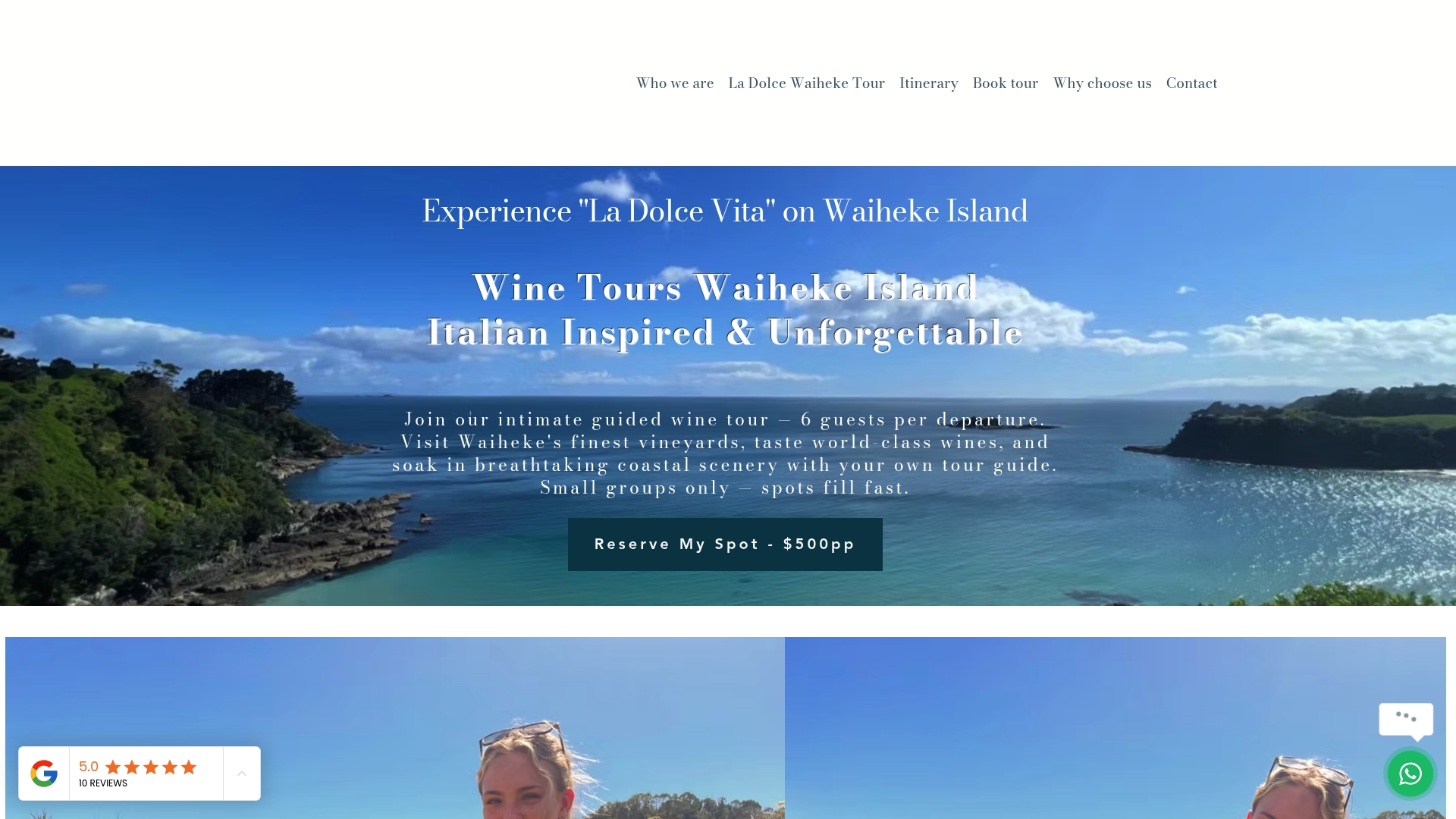
Groups stay capped at six guests, which means real conversation with the people pouring your wine rather than a rushed lineup behind a coach tour. The Italian-inspired curation pairs boutique vineyard visits with gourmet local dining, and everything from transport to reservations is handled before you arrive. Guests bring themselves, comfortable shoes, and an appetite; the tour brings the vineyards, the meals, and the local knowledge.
Meeting points and full-day logistics are confirmed once you book, so all you need to plan is what’s in your own day bag. Book your tour now or check available dates through the online booking page to lock in your spot before the season fills up.
Sources
Recommended
Comments