
Types of Local Island Day Trips: Pick the Right One
- The Italian on Waiheke - Tours & Transfers

- 4 days ago
- 7 min read
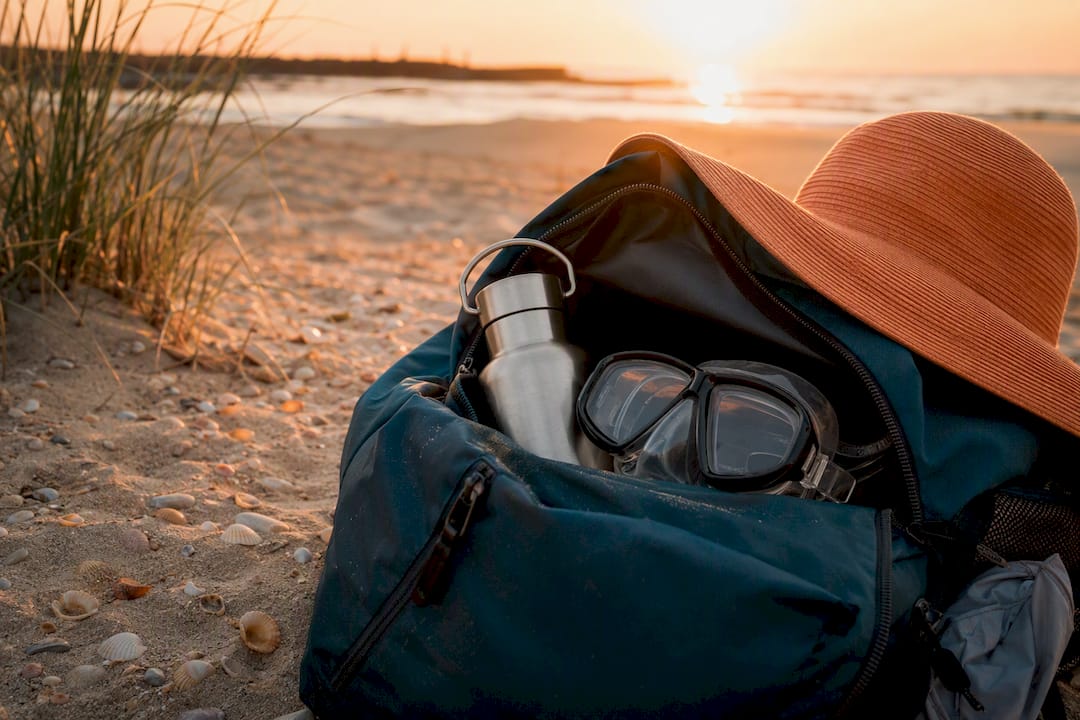
Six main types of island day trips cover almost every traveler: nature and wildlife tours for animal lovers, cultural and historical excursions for anyone curious about local life, culinary and wine trips for foodies, adventure and water-based outings for the active crowd, relaxation and beach days for people who just want quiet, and family-friendly or accessible trips for groups with kids or mobility needs. A wildlife spotter wants a guided coastal walk. A wine lover wants something closer to what Theitalianonwaiheke runs on Waiheke Island. Booking platforms like Viator and curated-experience sites like Tinggly both organize their island listings around this same basic split.
Nature and wildlife → best for birders, snorkelers, and slow travelers
Cultural and historical → best for travelers who want context, not just scenery
Culinary and wine → best for foodies and couples wanting an intimate day
Adventure and water-based → best for active travelers chasing an adrenaline hit
Relaxation and beaches → best for anyone who wants to do nothing, well
Family and accessible → best for multi-generational groups or mobility needs
Key Takeaways
Matching your island day trip to your travel style, not just your budget, is what determines whether the day feels memorable or rushed.
Point | Details |
Six main trip types exist | Nature, cultural, culinary, adventure, relaxation, and family/accessible cover nearly every traveler profile. |
Combined itineraries are common | Many day trips blend snorkeling, village visits, and lunch into one outing rather than a single focus. |
Small groups change the pace | Capped group sizes allow more tailored attention and slower, more personal stops. |
Check safety and access details | Confirm guide certifications, trip duration, and accessibility features before booking. |
Theitalianonwaiheke fits culinary seekers | Small-group (up to six) boutique wine tours with gourmet dining suit foodies and couples wanting an intimate day. |
Table of Contents
Nature and wildlife island day trips: what they include and who they suit
Cultural and historical island day trips: what to expect and how to show respect
Culinary and wine island day trips: formats foodies should know
Adventure and water-based island day trips: what active travelers should check first
Relaxation, beaches, and scenic picnic day trips: the low-effort island escape
Family-friendly and accessible island day trips: what to check before booking
A boutique wine and culinary day trip: how Theitalianonwaiheke does it
A local guide’s take on the island days that stick with people
Nature and wildlife island day trips: what they include and who they suit
These trips center on tracking wildlife, walking through untouched landscapes, or watching marine life from a boat or the shoreline. You’re not there for a lecture. You’re there to see something alive doing what it does naturally.
Guided coastal walks through native bush or dune systems
Bird watching at nesting colonies or wetland reserves
Whale or dolphin spotting from a small vessel
Snorkeling at marine reserves, often paired with a short boat transfer
Full-day itineraries frequently combine a few of these in one trip. Island-hopping tours often stack a village stop, a snorkel break, and lunch into a single outing rather than isolating one activity. Pack layers, reef-safe sunscreen, and closed shoes for uneven trails. Wildlife doesn’t perform on command, and getting too close ruins it for everyone behind you.
Pro Tip: Early morning departures beat afternoon ones almost every time. Animals are more active before the heat sets in, and a quiet, slow approach spooks fewer birds and marine animals than a noisy group rushing the shoreline.
Cultural and historical island day trips: what to expect and how to show respect
Cultural trips put local communities, crafts, and history at the center of the day instead of scenery or activity. You’re walking through someone’s actual neighborhood, not a theme park version of it.
Guided village walking tours with a local host
Visits to craft workshops or traditional boat-building yards
Local markets, plus tea and snack tastings like the Hedikaa spread found on Huraa Island cultural tours
Stops at mangrove ecosystems or freshwater lakes tied to local history
Dress modestly, ask before photographing people, and follow your guide’s lead around anything marked sacred or private. These small courtesies matter more on a cultural trip than on any other type.
Pro Tip: Ask your guide one question about their own life on the island. It almost always opens up a better conversation than sticking to scripted history.
Culinary and wine island day trips: formats foodies should know
Culinary and wine trips are built around tasting, learning, and lingering over a meal rather than rushing between stops. The pace is slower on purpose.
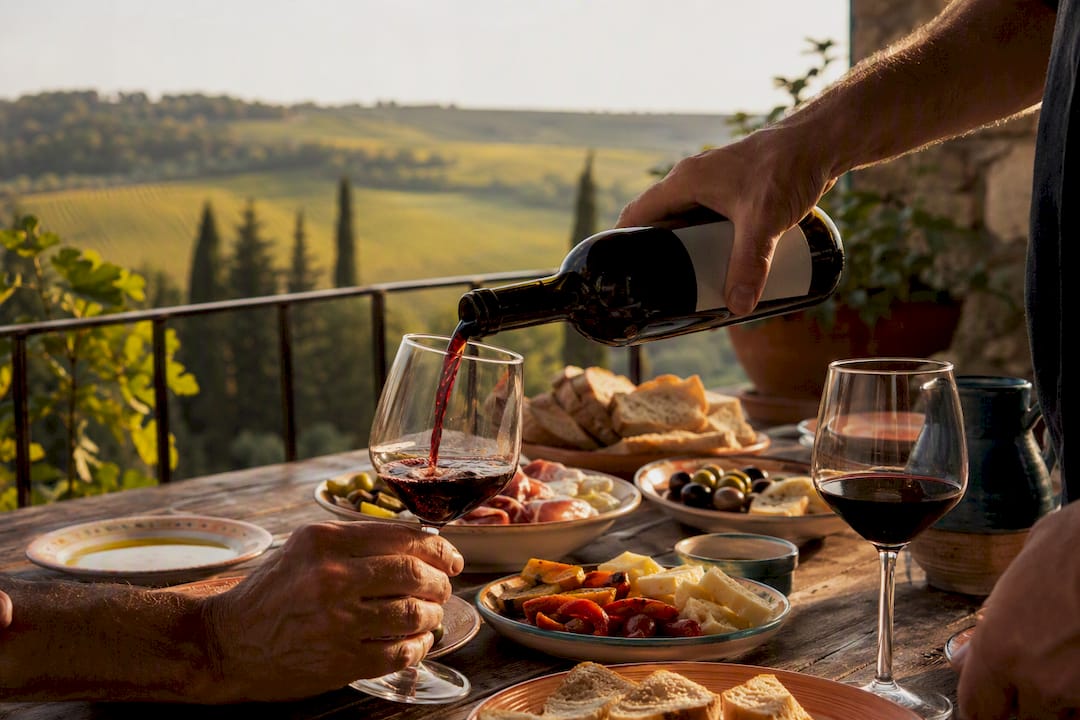
Small-group boutique vineyard tours with tastings at each stop
Paired lunches, where each course is matched to a specific wine
Chef-led tastings or cooking demonstrations at a working vineyard
Group tours run cheaper and suit travelers who like meeting other people. Private tours cost more but give you control over pacing, dietary swaps, and how long you linger at your favorite stop. Comprehensive combined-format day trips have listed around $210 per person when guide commentary, gear, and a meal are all bundled in, which gives a useful benchmark for what a full culinary day should include. Wear comfortable shoes you can walk vineyard rows in, and flag dietary restrictions when you book, not when you sit down.
Pro Tip: Ask whether lunch is fixed-menu or tailored to the group. Fixed-menu tours move faster; tailored menus mean more back-and-forth with your host, which foodies tend to prefer.
Adventure and water-based island day trips: what active travelers should check first
These trips prioritize activity over sightseeing: snorkeling, sea kayaking, surf lessons, or a dive stop, often stacked into one itinerary. Intensity varies a lot by operator, so read the itinerary closely before booking.
Morning snorkel session, afternoon kayak or paddleboard stretch
Optional dive add-ons for certified divers
Surf lessons at breaks with consistent swell
Confirm your guide carries current safety credentials. One packaged listing notes guide certifications including Emergency First Responder and lifeguard training, which is the kind of detail worth checking before you hand over payment. Operators typically supply snorkels, fins, and life jackets, but bring your own reef-safe sunscreen, a rash guard, and a dry bag for your phone.
Pro Tip: Bring your own snorkel mask if you have one. Comfort and hygiene matter more on a shared mask than most travelers expect, especially on longer snorkel sessions.
Relaxation, beaches, and scenic picnic day trips: the low-effort island escape
Relaxation trips skip the itinerary entirely. The point is scenery, calm water, and unstructured time, not a checklist of activities.
Beach access with minimal walking from the drop-off point
Picnic setups or a casual cafe stop
Short, optional walks for anyone who gets restless
Shoulder-season months typically bring calmer seas and thinner crowds, which makes for a quieter beach day than peak summer weekends. Pack shade (an umbrella or a light tarp), a cooler if allowed, and more sun protection than you think you need.
Pro Tip: Check tide times before you go. A beach that looks perfect in a listing photo can shrink to almost nothing at high tide.
Family-friendly and accessible island day trips: what to check before booking
Many operators now build in family-focused pacing or wheelchair-accessible transport, so this isn’t a niche request anymore. It’s worth asking about directly when you book.
Transport type: check for step-free boarding and secure seating
On-site facilities: toilets, shade, and a place to sit that isn’t sand
Trip length: shorter days reduce meltdown risk for younger kids
One packaged experience notes both wheelchair accessibility and a duration typical of well-labeled accessible trips, which gives a useful sense of what such trips look like on paper.
Pro Tip: Pack snacks and a shaded rest stop into your own plan even if the operator doesn’t offer one. Kids run out of patience faster than adults do.
How to choose and plan your island day trip
Choose based on three things: your interest, your physical pace, and your group size. A solo hiker and a family of five shouldn’t book the same tour, even if both are labeled “island day trip.”
Planning checklist before you book:
Trip length (half-day versus full-day changes everything about pacing)
Cost range and what’s actually included (gear, lunch, transfers)
Transfer logistics: pickup point, timing, return schedule
Cancellation policy, especially for weather-dependent activities
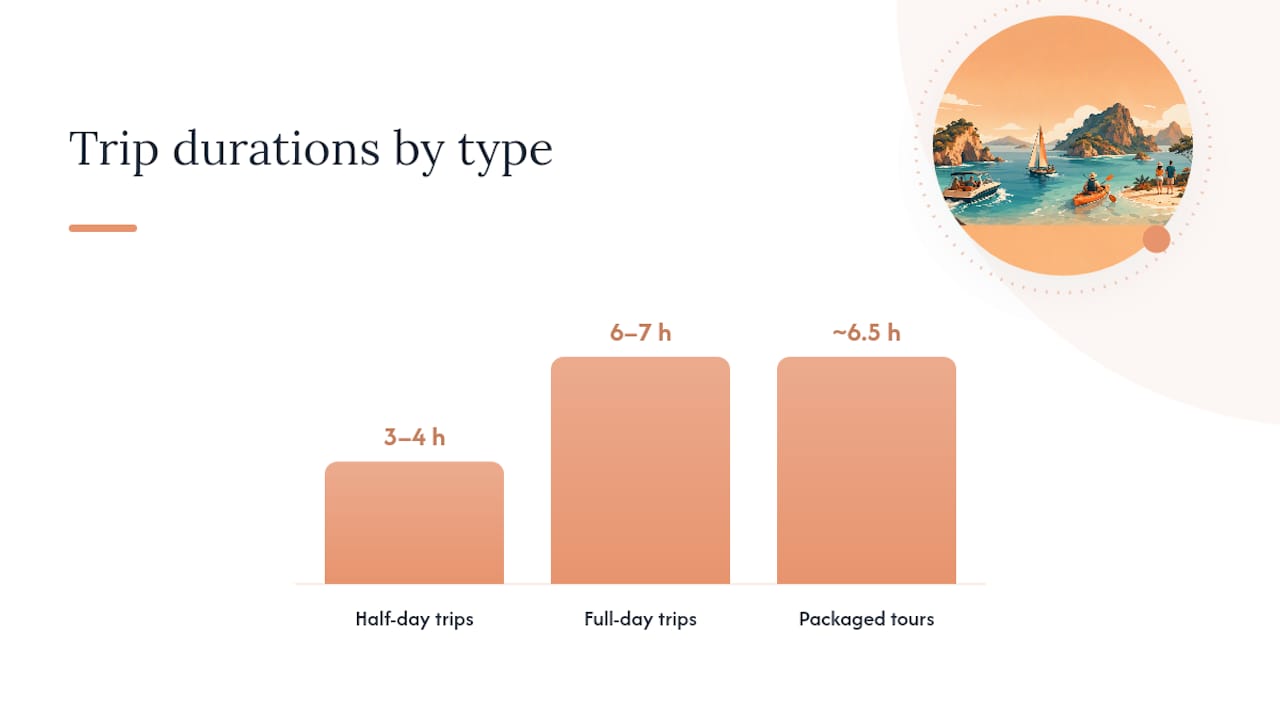
What to pack varies by trip type, but reef-safe sunscreen, water, and closed-toe shoes cover most bases. Half-day trips run 3 to 4 hours; full-day trips often run 6 to 7 hours, matching the roughly 6.5-hour duration common on comprehensive packaged tours.
Booking steps:
Search by trip type first, not by price
Vet the operator’s credentials and reviews
Confirm exactly what’s included before paying
Pack the night before, based on your trip type’s checklist
Book two to three weeks ahead for popular boutique tours during peak season. For broader planning frameworks that apply beyond islands, general day-trip planning guidance covers timing and logistics worth applying here too.
A boutique wine and culinary day trip: how Theitalianonwaiheke does it
Theitalianonwaiheke runs small-group wine tours capped at six guests, built around boutique vineyard visits, gourmet local dining, and an Italian-inspired approach to Waiheke’s wine culture. The small group size isn’t a marketing line. It changes how the day actually feels, since your guide can adjust pacing, answer questions in depth, and skip the rehearsed script that larger tours rely on.
Guest-facing content describes the experience as intimate and Mediterranean-inspired, with testimonials highlighting unforgettable moments built around curated vineyard stops and genuine connection with the guide.
Each stop is chosen for character rather than volume, and gourmet dining is worked into the day rather than bolted on at the end. If you want to see how the format compares to other Waiheke options, the full range of vineyard experiences is worth a look before you commit to any single tour.
A local guide’s take on the island days that stick with people
The days people remember aren’t always the ones with the most stops. I’ve watched guests light up more over a slow, unhurried lunch at a small vineyard than over a jam-packed itinerary with six activities crammed into six hours.
Timing matters more than most people plan for. Arrive at a quiet spot before the tour buses do, and the whole tone of the day shifts.
Ready to book your own boutique wine day on Waiheke
If a culinary and wine day trip is what you’re leaning toward after reading through the options above, Theitalianonwaiheke gives you the small-group, curated version rather than a bus-sized crowd moving through a vineyard on a schedule.
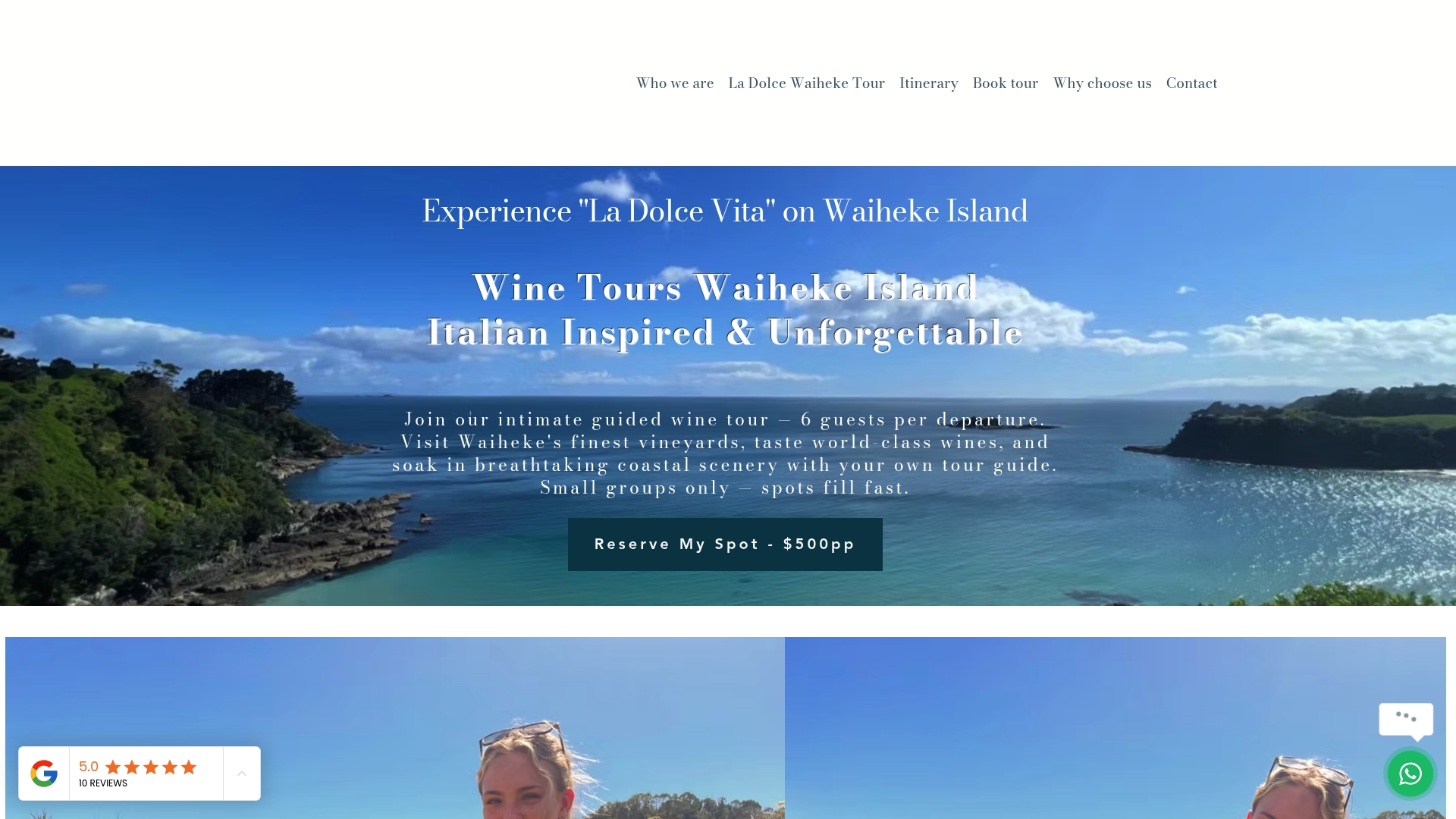
Groups are capped at six, gourmet dining is built into the day, and your guide can actually answer your questions instead of rushing to the next stop. That’s the practical difference between a boutique tour and a standard one: fewer people, more attention, and a pace that matches how a good wine afternoon should actually feel. If that sounds like your kind of day, you can check availability and book directly for an upcoming date.
Sources
Recommended
Comments